
Pasta 'ncasciata Messina: a rich timbale from Sicilian tradition
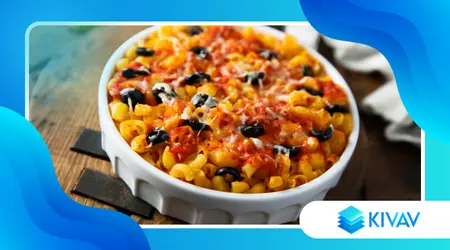
There Pasta 'ncasciata from Messina It represents the pinnacle of Sicilian Sunday cuisine, a triumph of layered flavors that encapsulates the profound gastronomic identity of the city of the Strait.
Announcements
We're not talking about a banal baked pasta dish, but a ritual that blends noble and humble ingredients in an almost touching harmony of textures.
On this journey through the fumes of Messina's kitchens, we'll explore how the "ncasciatura" technique transforms a few local elements into an edible architectural work, capable of resisting the ephemeral gastronomic trends of 2026.
Article summary
- The soul of the dish: between ancient embers and literature.
- The technique: what “ncasciare” really means.
- Anatomy of ingredients: choosing the caciocavallo.
- Original recipe and technical steps.
- Nutritional table: the energy of tradition.
- FAQ: the most common doubts solved by the chef.
What is Pasta 'ncasciata Messinese and why is the name misleading?
Many think the name derives from cheese (cacio), but the reality is more related to physics than milk. The dialect term "ncasciare" describes the act of placing the pot directly into the burning embers.
It was an archaic cooking method, born when the home oven was a luxury for the few and the residual heat of the hearth was used to create that brown crust that is, in fact, the signature of the dish.
Announcements
There is something almost sacred in the way the heat envelops the Pasta 'ncasciata from Messina.
Unlike the variations in other provinces, here the structure is not supported by béchamel sauce—often considered a northern intrusion—but by the richness of the ragù and the expert blending of local cheeses.
It's a precarious but perfect balance between softness and bite resistance.
What are the ingredients that define Messina's identity?
If you walk into a deli in Messina and ask for generic cheese for 'ncasciata, you'll get a look of disappointment. The heart of the dish lies in the semi-aged Sicilian caciocavallo.
This cheese has a bold personality that doesn't just melt, but releases a spicy note that cuts through the fattiness of fried foods.
The pasta shape is non-negotiable: macaroni or sedani, as long as they have a surface capable of being "attacked" by the sauce.
The aubergines, the undisputed stars of the show, must be black and firm, capable of absorbing the oil without falling apart too quickly.
++ Spaghetti alla San Gennaro: the traditional first course of popular cuisine.
The finishing touch, often misunderstood by Sunday purists, is the addition of Messina salami or artisanal mortadella, which gives an unexpected aromatic depth to every forkful.
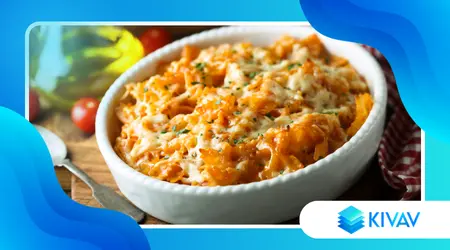
The Authentic Recipe: a process of stratification
Prepare the Pasta 'ncasciata from Messina It requires time, patience, and a certain propensity for creative mess in the kitchen. There's no rush when handling history.
Ingredients (for 6 people)
- 600g of macaroni or sedani rigati
- 500g mixed minced meat (beef and pork)
- 700ml of thick tomato puree
- 2 large aubergines (seta variety)
- 200g of diced Sicilian caciocavallo cheese
- 100g of Messina salami or thickly sliced mortadella
- 3 hard-boiled eggs, sliced
- 50g grated Sicilian pecorino cheese
- Extra virgin olive oil, salt, pepper and fresh basil
Find out more: Sweet and savory Carnic Cjarsons: the Friulian first course with a thousand variations
Procedure
- The Ragù: Start by sautéing the onion and celery. Add the meat and deglaze with a little red wine. Add the passata and simmer for at least two hours until it becomes very dark and thick.
- The Aubergines: Cut them into medium-sized cubes. Fry them in plenty of extra virgin olive oil until golden brown. Drain them on paper towels: excess oil is the enemy of consistency.
- The Assembly: Cook for half the time indicated on the package. Toss the pasta with some of the ragù and the eggplant.
- The “Ncasciatura”: In a well-greased baking dish, create layers by alternating the pasta with the hard-boiled egg slices, salami, caciocavallo, and pecorino. Finish with a generous layer of ragù and cheese on top.
- Cooking: Bake at 180°C for about 30-40 minutes. The surface should become a golden, inviting shell.
For those who want to delve deeper into the chemistry of perfect frying, the portal of Red Shrimp It offers excellent technical ideas for treating vegetables without ruining their organoleptic properties.
Nutritional Profile (Average values per serving)
| Nutritious | Amount | Technical Notes |
| Energy | 620 kcal | Value refers to a standard portion of a single meal |
| Fats | 28g | Mainly unsaturated thanks to the quality oil |
| Carbohydrates | 65g | Slow release thanks to durum wheat pasta |
| Proteins | 32g | High biological value from eggs and mixed meats |
Why does this version beat the Palermo timbale?
It's not a war between cities, but a question of culinary philosophy. While in Palermo the timbale is often hidden inside a shortcrust pastry case or a thick crust of breadcrumbs, the Pasta 'ncasciata from Messina she shows herself naked.
The contrast between the crunchy exterior and the almost creamy center is the direct result of the heat interacting with the cheese and tomato, without filters.
This structural “honesty” allows you to distinctly perceive the flavor of the hard-boiled eggs and the scent of the basil that emerges from between the folds of the pasta.
++ Pignolata Messina with honey and lemon: the lesser-known version
It's a less dramatic dish at first glance, but decidedly more explosive on the palate, where each ingredient maintains its own independence while being part of a collective chorus.
A final reflection on conviviality
Serving 'ncasciata means bringing a piece of Sicily to the table that accepts no compromises.
This dish improves if left to rest for ten minutes out of the oven: the time needed for the pasta fibers to relax and finally absorb the sauce.
It's the essence of Sicilian slowness applied to gastronomy, an invitation to stop and enjoy the passing of time, between a glass of Nerello Mascalese and a slow chat.
To consult the production specifications of the Sicilian DOP cheeses that make this dish unique, you can visit the website Ministry of Agriculture, guarantor of transparency and quality of Italian food.
FAQ
Can I use mozzarella instead of caciocavallo?
Technically, yes, but it's a conceptual error. Mozzarella releases too much water during cooking, compromising the timbale's structure and making the base too moist. A drier, stretched-curd cheese is better.
What's the secret to the perfect crust?
In addition to the cheese, an old trick is to mix a spoonful of ragù with a little fine breadcrumbs and pecorino, sprinkling it only during the last 5 minutes of grilling.
Can I add peas?
In some areas of Messina, this is a common practice. If you decide to make it, use very small peas and cook them directly in the meat sauce to preserve its flavor.
Should the eggplant be peeled?
Absolutely not. The peel gives the dish its characteristic color and keeps the cubes compact during double cooking (frying and baking).
++ Cuisine & Tradition – Pasta 'ncasciata Easter Recipe
++ The Sicilian macaroni timbale that was cooked on the grill
