
Neapolitan Minestra Maritata: An Ancient Balance of Vegetables and Meat
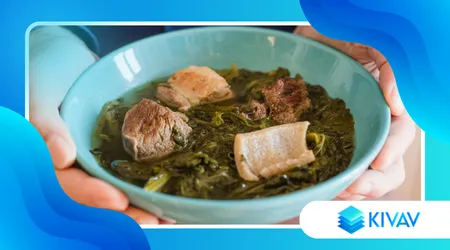
There Neapolitan married soup It is not a simple dish, but the liquid story of a Naples that no longer exists and which, paradoxically, survives in every spoonful.
Announcements
It's easy to say "boiled", but here we are faced with an architecture of taste where technical rigor meets baroque abundance.
It is the archaic pillar of Campanian gastronomy, capable of celebrating the union between the plant world and the varieties of humble meats in a ritual that defies modern frenzy.
Article summary
- Spanish roots and Neapolitan evolution.
- The bitter soul: the selection of leaves.
- The broth technique: clarity and patience.
- The authentic recipe for home cooking.
- Nutritional table and flavor balance.
- FAQs and secrets for flawless results.
What is Neapolitan minestra maritata and why is it called that?
The name evokes a nuptial image, but don't let the romanticism fool you: the "marriage" in question is a matter of substance, a combination of animal fat and the bitterness of wild herbs.
Direct descendant of the olla podrida Castilian, the recipe landed in the shadow of Vesuvius in the 14th century, stripping away Iberian excesses to embrace local biodiversity.
Announcements
There is something almost magical about the way ingredients born out of necessity have, over time, become a luxury of the palate.
Neapolitan chefs have achieved a perfect synthesis, preferring less noble cuts of pork and a botanical variety that is not afraid of strong flavors.
This combination creates an organoleptic balance where the fattiness is literally “cleaned” by the acidity of the vegetables.
There Neapolitan married soup He doesn't accept shortcuts; each element must maintain its own identity while contributing to a choral symphony that smells of smoke, earth, and wood.
Today, this dish reigns supreme during the holidays, especially Christmas and Easter. It's a moment of togetherness that requires hours of waiting, a slow time needed to extract the collagen and transform the water into a velvety nectar.
Preparing it means, ultimately, accepting that quality cannot be accelerated.
What vegetables are essential for the authentic recipe?
Vegetable selection is the true difference between mediocre execution and a masterpiece. The mistake of using vegetables at random is often made, but the bitter aftertaste of tradition demands discipline: chicory, small escarole, Swiss chard, and borage are essential.
The latter, with its almost spicy touch, gives a depth that few other ingredients can offer.
A key player, often overlooked by modern distributors, is the "torzella." This is one of the oldest cabbages in the Mediterranean, a botanical survivor from the Nola area.
Its resistance to cooking allows it to maintain a fibrous structure under the teeth, avoiding the “vegetable puree” effect that would ruin the experience.
For a truly satisfying result, the vegetables must be blanched separately before adding them to the meat. This tedious but vital step helps remove excess water.
Only in this way will the dish maintain a vivid color and a clean flavor, avoiding that dull grayness that often afflicts overly hasty versions.
If you want to learn more about the classification of these herbs, the portal of’ agriculture of the Campania Region offers an excellent overview of traditional products.
The use of fresh wild herbs, picked at the right time, elevates the dish from a simple meal to an anthropological experience.

The Recipe: How to Make It at Home
Realize the Neapolitan married soup It takes time, but the procedure is straightforward if followed methodically.
Ingredients for 6 people:
- Meats: 300g of beef muscle, 1/2 chicken, 2 “pezzognole” sausages, 200g of cleaned pork rinds, a few pork ribs.
- Vegetables: 1.5kg of torzelle, chicory, borage and escarole.
- Flavors: Parmesan crusts, celery, carrot, onion, peppercorns.
++ Fusilli al ferretto with goat ragù: a Lucanian pastoral tradition
Procedure:
- In a large pot, start the broth with the meats and herbs. Simmer for at least 3 hours, skimming regularly.
- Clean the vegetables and blanch them in lightly salted water for a few minutes, then drain them well.
- Once the meat is cooked, strain it and remove the fat (preferably the day before). Cut the meat into small pieces.
- Combine the vegetables, meat, and Parmesan rinds in the clean broth. Cook together for another 20-30 minutes until the flavors have fully meld. Serve with toasted cornbread.
Table of components and average values (per serving)
| Ingredient | Typology | Function in the Plate | Calories (Average) |
| Pork | Sausages, ribs, pork rinds | Structure and flavor | 250 kcal |
| Bitter Vegetables | Chicory, torzelle, escarole | Contrast and freshness | 45 kcal |
| Beef | Muscle or armor | Depth of broth | 120 kcal |
| Hen | Bust or thigh | Sweetness and delicacy | 90 kcal |
| Flavors | Celery, carrot, onion | Aromatic base | 15 kcal |
Why is this soup still relevant in 2026?
Despite its humble origins, the soup's nutritional composition is surprisingly modern. The high concentration of green leaves provides minerals and fiber that balance fat absorption.
The natural bitters in chicory stimulate liver function, making the preparation less demanding on the body than the ingredient list might suggest.
It is a perfect example of how popular cuisine had already understood the concept of a balanced “single dish”.
Find out more: Baked Neapolitan Ziti: Tradition and Conviviality on a Plate
Slow cooking at low temperatures preserves the integrity of proteins and dissolves collagen, which is essential for tissue health. In an age of ultra-processed foods, returning to this balance means rediscovering real and tangible well-being.

Service and conservation: the value of rest
The perfect time to enjoy it is when the cold hits, accompanied by fried polenta flakes. This soup has a magical quality: it's infinitely better the next day.
Resting allows the aromatic molecules to stabilize, creating a flavor density that immediate cooking cannot offer.
You can store it in the refrigerator for three days or freeze it in portions. When reheating, do so over very low heat and add a drizzle of extra virgin olive oil to enhance the aromatic aromas of the herbs.
++ Cereal and nut bread for healthy breakfasts and energy-boosting snacks
This finishing touch restores brilliance to a dish that, despite being ancient, never ceases to dialogue with contemporary sensibilities.
Honoring this tradition means protecting a piece of Campania's history from the homogenization of taste. Every spoonful is a tribute to the land and the patience of ancient traditions.
To learn more about the evolution of historical recipes, you can consult the’ Italian Academy of Cuisine, a point of reference for anyone who wants to explore the gastronomic heritage with technical rigor.
FAQ – Frequently Asked Questions
What's the secret to a broth that isn't too greasy?
The trick is to degrease the meat while it's still cold: prepare the meat broth the day before and leave it in the refrigerator; the fat will solidify on the surface, making it easy to remove.
Can I use black cabbage if I can't find torzella?
Yes, cavolo nero is an acceptable substitute, although its flavor profile is sweeter and less “gamey” than the original torzella.
Why do vegetables need to be boiled separately?
If cooked directly in meat broth, they would release too much chlorophyll and bitter liquids, making the soup cloudy and unpleasantly dark.
Is this a suitable dish for those following low-calorie diets?
While nutritious, the vegetable component is predominant. By reducing the amount of pork rinds and sausages, you get an extremely healthy protein-rich, fiber-rich meal.
Can legumes be added?
The classic Neapolitan recipe doesn't include them, but some provincial variations include cannellini beans to increase the creaminess of the sauce.
++ Minestra maritata (Campania cuisine)
