
South Tyrolean bread dumplings with melted butter and chives
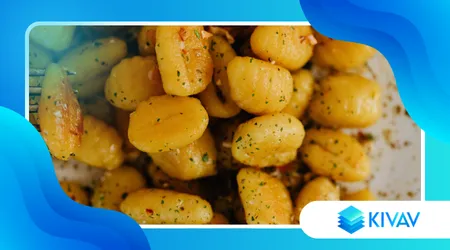
THE South Tyrolean bread dumplings They are not just a simple first course, but the moving story of how peasant ingenuity managed to transform famine into a gourmet icon.
Announcements
These bread spheres tell the story of a Tyrol that threw nothing away, where stale bread became a blank canvas on which to paint with mountain butter and meadow herbs.
Summary of Alpine Excellence
- The rural heritage of dumplings in South Tyrol.
- The chemistry of ingredients: beyond bread recovery.
- The preparation ritual: manual skills and rest.
- The authentic recipe: brown butter and chives.
- Nutritional analysis for informed consumption.
- FAQ
What are South Tyrolean bread dumplings and how have they evolved?
Often reduced to an imitation of classic canederli, these gnocchi actually represent a more refined and delicate variation.
If speck dumplings are a woodcutter's favorite dish, the version with butter and chives is the one found on festive Sundays, where the purity of milk and the freshness of the garden prevailed over the meat.
Their origins are lost in the cycles of the Alpine seasons. It's no coincidence that their spherical shape evokes perfection and completeness: a unique meal that encompasses the three pillars of mountain subsistence: grains, dairy products, and eggs.
Announcements
In 2026, this dish is experiencing a new lease of life thanks to the rediscovery of ancient bread grains, which lend toasted nuances and an aromatic complexity unknown to industrial versions.
The Recipe: Technique and Passion for a Signature Result
Making these gnocchi requires a tactile sensitivity that no machine can replicate. The bread must "feel" the moisture of the milk without drowning.
Ingredients for 4 people
- 300g stale white bread (cut into 1cm cubes)
- 250ml of fresh whole mountain milk
- 2 large organic eggs
- 100g of high-quality alpine butter
- A generous bunch of fresh chives
- 30g of Trentingrana or 24-month Parmigiano Reggiano
- Nutmeg, sea salt, and freshly ground black pepper
- A spoonful of 00 flour (only if strictly necessary)
Step by Step Procedure
The first mistake to avoid is haste. Place the bread in a large bowl and pour the warmed milk over it.
Cover with a cloth and let the bread soak slowly for about 40 minutes. Don't crush it; let capillary action do its work.
In a separate bowl, lightly beat the eggs with a pinch of salt and nutmeg. Add them to the now-softened bread and stir in the freshly chopped chives.
Mix with your hands: your fingers should feel if the mixture is too wet (add a little flour) or too dry (a drop of milk).
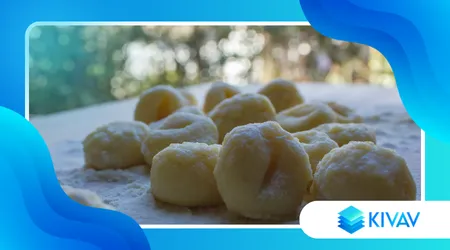
Form balls the size of a small apricot. The surface should be smooth, without any obvious cracks. Drop them into gently boiling salted water.
The violent movement of the water is the sworn enemy of the bread's structure. When they rise to the surface, let them cook for another two minutes.
While the gnocchi finish cooking, melt the butter in a large pan until it begins to foam and smell of toasted hazelnuts.
Drain the gnocchi with a slotted spoon, place them in the butter and garnish with a fine sprinkling of chives and grated cheese.
To understand the geological and environmental context where these ingredients are born, you can explore the guidelines of the UNESCO Dolomites Foundation, which protects the integrity of these valleys.
Why is butter the soul of the dish?
There is a culinary prejudice that sees butter as a heavy ingredient. On the contrary, in South Tyrolean bread dumplings, butter acts as an aromatic conductor.
It's not just a fat, but an extract from high-altitude pastures. When the butter reaches the "beurre noisette" stage, it undergoes a molecular transformation that enhances the sweet notes of bread.
++ Neapolitan Minestra Maritata: An Ancient Balance of Vegetables and Meat
Chives aren't just an aesthetic decoration. Their function is biochemical: their sulfur compounds counteract the density of the butter, stimulating salivation and making every bite as light as the first. It's a delicate balancing act that defines the mastery of the cook.
Nutritional Values: Mountain Energy
Eating a plate of bread gnocchi means taking in quality energy, designed for those who have to face the Alpine climate.
Find out more: Gallura soup: the Sardinian dish that bridges the gap between first and second courses.
| Value (per serving) | Amount | Technical Notes |
| Calories | 480 kcal | Ideal as a balanced single dish |
| Proteins | 14 g | From highly bioavailable eggs and milk |
| Carbohydrates | 55 g | Complex starches for prolonged satiety |
| Saturated fat | 18 g | Short-chain fats typical of Alpine butter |
| Potassium | 320 mg | Fundamental for muscle recovery |
Reflections on Service and Pairing
Serving these gnocchi requires constant heat. The dish must be preheated to prevent the butter from solidifying too quickly, losing its silky texture.
This is a dish that doesn't allow for waiting; it should be consumed the exact moment it meets the seasoning.
++ Focaccia stuffed with escarole, olives and capers, a Mediterranean flavour
The ideal pairing avoids overly structured red wines. Look for the verticality of a native grape like Kerner.
Its sharp acidity and hints of green apple create a delicious short circuit with the roundness of the bread and the fattiness of the butter.

A Tradition in Perennial Motion
Preparing this dish today means honoring a human chain that has lasted for centuries. There's something profoundly therapeutic about shaping bread with your hands, a return to the earth that modern cuisine often forgets.
These gnocchi are not a gastronomic museum exhibit, but a living organism that adapts to our contemporary tables, bringing with them the scent of the Alps.
Try closing your eyes as you savor the first bite: the warmth of the butter, the acidic hint of the chives, and the spongy texture of the bread will tell you of larch forests and high-altitude silence.
For further information on bread making techniques and the use of bread in the kitchen, consult the technical guides of Red Shrimp, the Italian authority on food culture.
FAQ
Can bread be too old?
Yes, if the bread has been "petrified" for weeks, it risks having a stale aftertaste that even milk won't cover. The ideal bread is dry but still fragrant, typically 3-4 days old.
Can I use plant-based milk?
Technically possible, but the dish's philological coherence is lost. If necessary, due to intolerances, use unsweetened oat milk, which maintains a good protein density.
Why are my gnocchi rubbery?
Rubberiness almost always comes from overworking or too much flour. The dough should be gently kneaded, not vigorously kneaded like a pizza.
How to store leftovers?
If you have any leftovers (hard to do!), cut them into slices and sauté them in a pan with a drizzle of oil the next day. They'll become crispy on the outside, making an irresistible snack.
++ Gnocchi with South Tyrolean cheese
++ CHEESE BREAD GNOCCHI (KASNOCKEN) WITH MALGA TOMBEA CHEESE
