
Provolone del Monaco: a semi-hard cheese from Campania worth trying
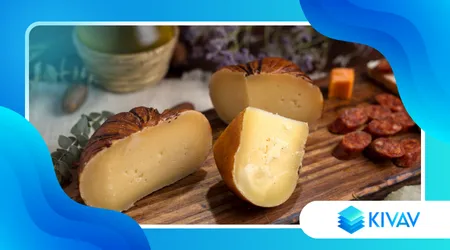
The Provolone del Monaco It's not just a cheese; it's a piece of Campanian history that resists standardization, a gastronomic treasure hidden in the folds of the Lattari Mountains.
Announcements
In this article, we'll reveal its DOP soul, from hand-milking to the spicier nuances of aging, offering an honest guide for those seeking authentic excellence, not the supermarket kind.
Summary
- What is this semi-hard cheese and its DOP origins?.
- The unbreakable bond with the territory of the Lattari Mountains.
- Production process: from milking to maturing.
- Organoleptic characteristics and unique sensory profile.
- Nutritional table and product technical data.
- Recipe: Spaghetti alla Nerano.
- FAQ: Quick answers to common questions.
What is this semi-hard cheese and why is it so special?
We're not talking about a simple stretched-curd cheese, but a semi-hard cheese that requires respect for the rules: produced exclusively in the Metropolitan City of Naples, following strict specifications.
The real magic lies in the raw milk, which for at least 20% must come from Agerolese breed cows, a now rare native strain that guarantees an intense, almost bold flavour.
I'm not just talking about dairy quality; this product is a symbol of Campania's biodiversity, protected to prevent it from becoming yet another characterless industrial product, now recognized worldwide.
Announcements
The curious name? Legend has it that the cheesemakers, wrapped in robes-like cloaks to protect themselves from the cold during the sea transport, resembled monks heading to the Neapolitan markets.
What are the distinctive features of the product?
Recognizing the authentic Provolone del Monaco It requires a trained eye; it's not enough to look at the typical melon shape, often slightly elongated and curiously lacking the classic "head" of common provolone.
The rind is thin, a yellowish color that turns brown with aging; when cut, the cheese should be elastic and compact, with sparse eyes, known as "partridge eyes.".
The flavor is a journey: it starts soft, almost buttery, then explodes into a decisive, never annoying spiciness, which cleanses the mouth and inevitably invites another taste, another glass.
++ Dried figs from Cilento: a product worth rediscovering
These nuances depend almost entirely on the minimum six months of maturation, a period during which the enzymes work silently, transforming the curd into a masterpiece of natural chemistry and human patience.
How does artisanal production take place?
Production begins high up, where the Agerolesi cows graze freely between the cliffs of Sorrento and the peaks of the Lattari Mountains, feeding on unique aromatic herbs.
The freshly milked raw milk is slowly heated and added with goat rennet; it's this technical detail that gives the cheese that final spicy note that true connoisseurs obsessively seek.
Breaking the curd into tiny grains requires skill, but the true art lies in spinning it with almost boiling water: the cheesemakers work the curd by hand, shaping it into flawless shapes.
The cheeses are then tied with hemp ropes and hung in cool, ventilated rooms, where they will rest for months, acquiring aromatic complexity before being ready for the market.
You can learn more about the technical details of the certification by visiting the official website of the Protection Consortium, guaranteeing the quality and traceability of each individual form.
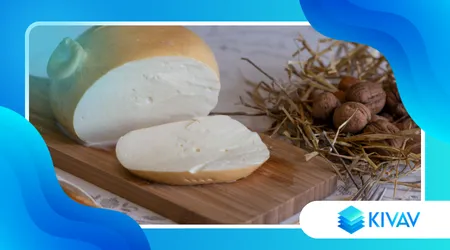
What are the nutritional values and technical data?
Analyzing this product from a technical point of view does not just mean counting calories, but understanding the energy density and richness of noble nutrients present in this product.
Find out more: Cervia Salt: The sweet Italian salt that doesn't overpower flavors.
Here's a detailed table of average values per 100 grams of seasoned product, a key piece of information for understanding what we're bringing to the table, beyond simple taste.
| Nutritional Parameter | Value per 100g | Technical Notes |
| Energy Value | 380 – 410 kcal | High nutrient density |
| Proteins | 25g – 28g | High biological value |
| Total Fat | 30g – 33g | Including essential fatty acids |
| Soccer | 850mg | Essential for bone health |
| Phosphorus | 600mg | Excellent metabolic support |
| Salt (Sodium Chloride) | 1.5g – 2.0g | Balanced natural flavor |
Recipe: Spaghetti alla Nerano with Provolone del Monaco
This recipe enhances the cheese, creating a rich, creamy spread without the use of cream. This is a classic Sorrento dish that requires few, yet top-quality ingredients.
Ingredients for 4 people
- 360g of Gragnano spaghetti
- 300g of Provolone del Monaco Grated DOP
- 500g of fresh courgettes
- 100g of good quality butter
- Extra virgin olive oil to taste.
- Fresh basil
- Salt and black pepper
Preparation
- Wash the courgettes, remove the ends and cut them into thin rounds, then fry them in plenty of extra virgin olive oil until golden, drying them on absorbent paper.
- Cook the spaghetti in salted water, remembering to drain them when still very al dente and reserving a good amount of the starchy cooking water.
- In a large pan, melt the butter and add the fried courgettes, letting them cook for a minute over low heat before adding the pasta.
- Remove the pan from the heat: this step is crucial to the success of the cream, preventing the cheese from stringing or becoming rubbery due to excessive heat.
- Add the Provolone del Monaco grated together with a little cooking water, mixing vigorously to create a perfect, velvety emulsion.
- Serve immediately, garnished with plenty of fresh, hand-chopped basil and a generous grinding of black pepper, which contrasts with the fattiness of the dish.
++ Crispy Roman pinsa with hydrated dough and mixed flours
When and how best to taste this Campanian treasure?
Tasting requires time and respect: it should be served at room temperature, around 20 degrees, so that the fats melt, releasing the full bouquet of aromas.
For wine pairings, avoid overly light wines; instead, opt for full-bodied reds from Campania, such as Aglianico or Taurasi, which can sustain the flavor without overwhelming it.
However, less mature versions can surprise when paired with full-bodied whites, such as a Fiano di Avellino, which refreshes the palate between bites.
Be careful when storing: avoid the refrigerator uncovered; wrap it in cling film and store it in the least cold area, preserving the internal moisture and softness of the pasta.
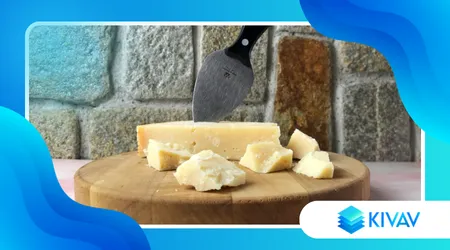
Conclusion
This cheese is not simply a food, but a cultural icon that defends the identity of the Lattari Mountains against the global food standardization of our times, a bastion of authentic taste.
From the rigorous selection of Agerolese cow's milk to the patience of the months of aging, every stage of production reflects a love for the land and respect for centuries-old traditions.
Whether you enjoy it pure or as the protagonist of starred recipes, the Provolone del Monaco continues to conquer the most demanding palates thanks to its perfect balance between sweetness and spiciness.
We encourage every food enthusiast to seek out the original brand, thus ensuring an authentic experience and contributing to the preservation of the unique heritage of the splendid Campania region.
For more information on the European regulations that protect these excellences, consult the portal Quaivita, the Italian reference for DOP, IGP and STG products.
FAQ: Frequently Asked Questions
How long should this cheese mature?
According to the DOP regulations, the minimum maturation period must be at least 180 days to ensure the development of the typical aromas and the correct consistency.
What is the difference between common Provolone and Provolone del Monaco?
The Provolone del Monaco It uses raw milk and a fixed percentage of Agerolese cow's milk, as well as having a much more complex flavor and limited production.
Can you eat the crust?
The rind is treated only with olive oil and does not contain paraffin, but since it is exposed to the environment during the maturation process, it is advisable to clean it thoroughly before any home consumption.
Where can I buy original Provolone del Monaco DOP?
It's essential to look for the consortium's seal and the branded DOP mark, preferring retailers specializing in typical Campania products or certified dairies on the Sorrento peninsula.
++ The king of the Sorrento peninsula
++ Provolone del Monaco DOP: Between stories, tastes, and traditions
