
Lucanian Cruschi Peppers: Crispy, Light, and Irresistible
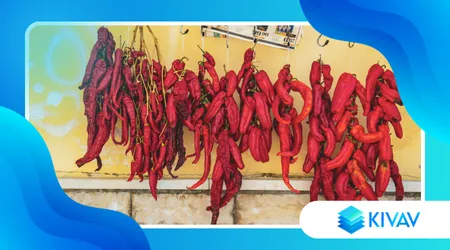
THE Lucanian cruschi peppers They are not a simple side dish, but a gastronomic paradox: a vegetable that, through the ritual of heat, abandons its vegetal nature to become a savory and fragrant crystal.
Announcements
In Basilicata, this metamorphosis is not an aesthetic choice, but a cultural signature.
Those who approach this delicacy for the first time often make the mistake of mistaking it for a common fried pepper, unaware that behind that glassy consistency lies a drying technique that defies the laws of humidity.
In 2026, while food design desperately searches for new synthetic consistencies, Lucanian tradition responds with a product that has been a natural “snack” for centuries.
Summary
- The botanical identity and selection of Senise
- The Science of Crispyness: Between Air and Oil
- Why Basilicata dominates this niche
- Nutritional analysis and false myths about frying
- Gourmet Apps and the Cod Recipe
- Frequently Asked Questions (FAQ)
What defines the authenticity of this product?
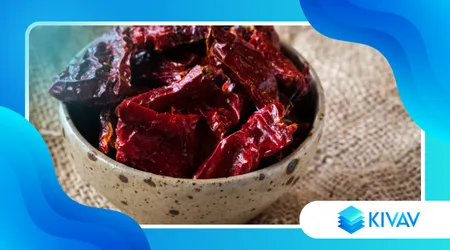
Not all peppers can aspire to become Lucanian cruschi peppers. The specific variety, the Peperone di Senise PGI, has very fine flesh and a low water content, structural characteristics that allow for rapid drying without rotting the fruit.
Announcements
It's a visceral connection with the land. The Sinni Valley, with its fertile, well-ventilated soils, offers a microclimate unrivaled by industrialization.
If you tried to replicate the process with a common pepper, you'd only get a soft, bitter fiber; here, however, genetics meets geography.
The visual aspect is often overlooked, but the dark red, almost brown, color is the first indicator of proper ripeness. It's more than just food; it's an agricultural treasure that has transcended regional boundaries to grace the tables of international haute cuisine.
How do you achieve the perfection of “shattering”?
The term "crusco" in the local dialect evokes the sound of something decisively cracking. This result is achieved through a meticulous interplay between time and temperature.
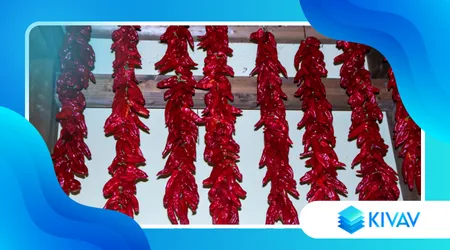
After spending the summer hanging from the facades of houses in characteristic “serte” (necklaces), the peppers arrive in the kitchen completely dehydrated.
Frying takes just a few seconds. The extra virgin olive oil should be lively but not aggressive, around 170°C (340°F). The pepper swells, expands, and almost seems to take a final breath before being lifted out.
The crucial step, however, occurs outside the pan. It's the thermal shock from the cold air that crystallizes the sugars and the peel.
++ Murgia black chickpea salad with red onion and bay leaves
Without this few minutes' rest, the magic fades and the crispiness remains an illusion. It's a precarious balance between burnt and raw that only the expert eye can master.
The value of a PDO in the contemporary market
In the current landscape, the PGI recognition is not a simple bureaucratic frill, but a defense against mass imitations that attempt to empty the meaning of the term "crusco".
Legal protection guarantees that every single gram comes from selected seeds and manual processing.
The regulations published on the Official Journal of the Italian Republic confirm how strict the regulations are.
Each stage, from manual sowing in March to harvesting in August, is monitored to avoid contamination that would alter the final organoleptic profile.
There's something disturbing about the speed with which the global market attempts to appropriate local symbols, but the Senise pepper endures thanks to its intrinsic difficulty in large-scale production.
It remains an elite product, despite being born out of peasant poverty.
Nutritional properties and dietary impact
There is a widespread prejudice that anything processed through oil is nutritionally poor.
On the contrary, the speed of cooking “bran” creates an immediate barrier that prevents the excessive absorption of fats, preserving the vitamin core of the vegetable.
These peppers are concentrated in Vitamin C and carotenoids, enhanced by dehydration which eliminates water but not micronutrients.
Interesting: Venetian-style sardines in saor: the lagoon's sweet and sour appetizer
The presence of fiber is notable, making them a functional as well as hedonistic element.
| Nutritious | Average values per 100g | Editorial Notes |
| Energy | 380 kcal | High calorie density, low serving size |
| Carbohydrates | 45 g | Concentrated natural sugars |
| Proteins | 12 g | Surprisingly high for a vegetable |
| Fats | 18 g | Mainly monounsaturated fatty acids |
| Fibers | 15 g | Essential for glycemic control |
| Vitamin C | 150 mg | Superior to many fresh citrus fruits |
From the table it is clear that we are not talking about junk food, but a supplement of flavours and health, provided that the quality of the oil used for the final finishing is respected.
The signature recipe: Aviglianese-style cod
This is the ultimate pairing, where the saltiness of the fish meets the crispy sweetness of the bell pepper. It's a dish that demands respect for the ingredients.
++ Vesuvius Piennolo Cherry Tomatoes: Unique Flavor and Long-Life
Ingredients for 4 people:
- 800g of cod already soaked and desalted
- 10-12 dried Senise peppers
- High quality extra virgin olive oil
- Fresh parsley (optional)
Procedure:
Boil the cod in plenty of water for about 10 minutes. Once cooked, clean it thoroughly, removing the skin and bones, and dividing it into large flakes.
In a large pan, heat the oil and fry the peppers for 2-3 seconds, removing them immediately as soon as they change color.
Once cooled and crispy, use some of the frying oil to season the cod, crumbling half the peppers over it. Serve garnished with the remaining whole peppers for an irresistible visual and tactile contrast.
Final reflections
The success of the Lucanian cruschi peppers It lies in their ability to remain true to themselves despite trends. They don't need additives or flavor enhancers; their strength lies in a thin skin that has absorbed the southern Italian sun.
Choosing this ingredient means embracing a culinary philosophy that favors patience over speed.
In an age of homogenized flavors, Basilicata reminds us that true gastronomic avant-garde is often a conscious return to what the land produces so slowly.
To learn more about tourist itineraries related to these areas, the portal of Basilicata Region offers interesting ideas for visiting production sites in 2026.
FAQ – Frequently Asked Questions
Why aren't my peppers crispy?
Most likely, the oil wasn't hot enough, or you left them to cook for too long. But the most common mistake is not waiting for them to cool: the crispiness is a result of the post-frying temperature drop.
Can I use fresh bell pepper to make crusco?
Absolutely not. The process requires natural drying, which reduces the internal moisture to almost zero. Without this step, you'll just end up with a traditional fried pepper.
What is the best oil for frying?
Extra virgin olive oil is the ideal choice due to its regional affinity and heat stability. A seed oil might be too neutral and not add the necessary aromatic note to the dish.
Can they be stored once fried?
Yes, but they fear humidity above all else. Store them in an airtight glass jar. If they lose their bite, a quick trip to a very hot oven for a minute can partially revitalize them.
Are they suitable for a low-calorie diet?
Given their intensity, very little is enough to give character to a dish. In this sense, they're excellent for enhancing salads or soups without adding large amounts of overall fat to the meal.
++ Peperoni cruschi, the traditional Lucanian recipe
++ Peperoni cruschi: What are the red collars from the Lucanian villages?
