
Multigrain rustic bread with advanced natural fermentation

The Multigrain rustic bread It represents the pinnacle of contemporary white art, combining ancient flavors with advanced natural fermentation techniques for excellent results.
Announcements
In this article, we explore how modern baking science has transformed a basic food into a complex and nourishing sensory experience.
Summary
- The evolution of natural fermentation in 2026.
- Organoleptic characteristics of multi-grain mixes.
- The management of liquid sourdough starter (Li.Co.Li).
- Technical process: autolysis and cold maturation.
- Nutritional table and benefits of ancient grains.
- Step-by-step recipe.
- Frequently Asked Questions (FAQ).
Why choose Multigrain Rustic Bread with Advanced Fermentation?
The choice of the Multigrain rustic bread It does not only respond to an aesthetic desire, but to a biochemical need to consume more digestible products rich in micronutrients.
Advanced fermentation uses selected bacterial strains to degrade phytic acid, dramatically improving the absorption of essential minerals present in the various flours used.
Today, consumers seek an aromatic complexity that only the synergy between rye, oats, barley and oilseeds can offer in such a balanced way.
Announcements
This technique reduces the glycemic index of the final product, making it suitable for a modern diet that does not want to give up the pleasure of quality complex carbohydrates.
What are the advantages of natural fermentation today?
In today's gastronomic landscape, natural fermentation has evolved towards a scientific management of temperatures, allowing for the control of lactic acidity versus acetic acidity.
This balance guarantees a soft crumb and a crunchy crust, essential characteristics for excellent homemade or bakery bread.
Using live bacterial cultures also allows for prolonged product preservation, naturally slowing the staling process without the use of chemical additives or artificial preservatives.
The biodiversity of microorganisms present in the sourdough starter gives the bread nutty, toasted nuances that are impossible to achieve with common industrial brewer's yeast.
You can learn more about the latest discoveries on biodiversity of natural yeasts to understand how different strains influence the aromatic profile of wholemeal flours and minor cereals.
How to balance flours for perfect bread?
The structure of bread depends heavily on the balance between gluten proteins and insoluble fibers, which can hinder the development of the gluten mesh.
It is essential to include a percentage of strong flour higher than 13% of protein to support the weight of seeds and weak flours.
Hydration plays a crucial role: whole grains absorb much more water than refined flours, often requiring a double hydration technique during the final kneading.
++ Italian protein bread with alternative flours and nutritious seeds
Proper water management allows enzymes to work effectively, breaking down starches into simple sugars needed to nourish the yeasts during the long maturation process.
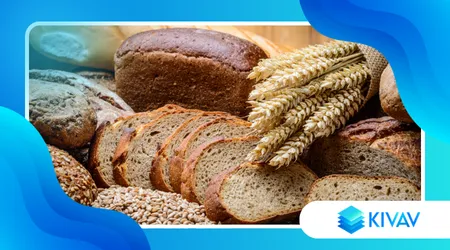
Which grains offer the best nutritional profile? Multigrain rustic bread
The integration of ancient grains such as einkorn wheat or white rye allows for a higher nutritional density and an unmistakable flavor.
Interesting: Spelt flour pizza with tasty seasonal grilled vegetables
These cereals provide a significant amount of soluble fiber and antioxidants, essential for the health of the intestinal microbiota and the cardiovascular system.
| Cereal / Seed | Protein (g/100g) | Fiber (g/100g) | Main Benefit |
| Whole Rye | 9.0 | 15.0 | Blood sugar control |
| Einkorn Wheat | 14.0 | 4.0 | High digestibility |
| Flaxseed | 18.0 | 27.0 | Rich in Omega-3 |
| Pearl barley | 10.0 | 17.0 | Heart health |
How to manage temperature-controlled ripening?
The secret to an open alveolation lies in the refrigeration at 4°C, which allows for enzymatic maturation parallel to the gaseous fermentation.
This crucial step develops flavor precursors, transforming residual starches into aromatic compounds that will unleash their full power during baking.
A resting time of 18 to 24 hours ensures that the gluten relaxes, facilitating the expansion of the bread in its early stages.
++ Balanced protein first courses for a healthy and tasty diet
Constant thermal management prevents abnormal fermentations, ensuring a consistent and safe product, free from excessively acidic hints that would mask the sweetness of the grains.
Recipe: Naturally Fermented Multigrain Rustic Bread
Making this bread requires patience and precision. Here's the technical protocol for a loaf of about 1 kg.
Ingredients:
- 400g Type 1 flour (W 300-320)
- 100g Mix of flours (Rye, Barley, Spelt)
- 375g Water (75% hydration)
- 100g active liquid sourdough (Li.Co.Li)
- 11g Salt
- 50g Mixed seeds (Sunflower, Flax, Pumpkin) previously soaked
Procedure:
Autolysis: Roughly mix the flours with 350g of water. Let rest for 60 minutes.
Dough: Add the sourdough starter and begin kneading. Gradually add the salt and the remaining water. Finally, stir in the seeds.
Leavening and Folds: Transfer to an oiled bowl. Perform 3 sets of strengthening folds every 30 minutes.
Bulk leavening: Leave at room temperature (about 24°C) until the volume has increased by 50%.
Formation: Gently shape the loaf and place it in a floured proofing basket.
Cold maturation: Place in the refrigerator at 4°C for 18-24 hours.
Cooking: Bake at 250°C (preferably in a casserole dish), reducing the temperature to 220°C after 20 minutes. Finish baking for the last 15 minutes, leaving the pan to dry.
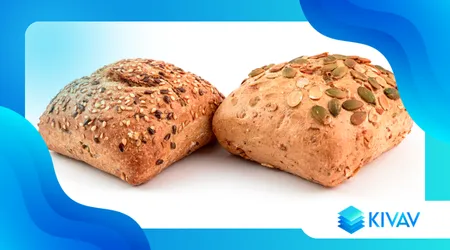
What determines the crispiness of the rustic crust?
The caramelization of sugars on the surface, known as the Maillard reaction, is enhanced by the presence of complex nutrients.
Controlled humidity in the oven during the first ten minutes of baking is vital to allow the crust to remain elastic and not seal prematurely.
Using a refractory stone or a cast iron pan helps maintain even heat distribution, simulating the environment of professional wood-fired ovens of the past.
The end result will be a thick, brown, and fragrant crust, capable of enclosing a moist and fragrant heart, typical of the best Italian artisan products.
The creation of a Multigrain rustic bread with advanced natural fermentation is a journey that combines biology, physics and a deep passion for raw materials.
Experimenting with different grain percentages will allow you to find your own unique signature in the kitchen, offering a healthy and high-quality product.
For further details on European regulations regarding the labelling of whole and natural products, please visit the official website of the European Commission, a fundamental resource for every conscious baker.
Frequently Asked Questions
What is advanced natural fermentation?
It is a method that uses sourdough managed with scientific precision (pH and temperature) to optimize the digestibility and aromatic profile of the dough.
Can I use weak flours for multigrain bread?
No, the presence of fibres and seeds requires flours with a medium-high strength (W) to support leavening and prevent the structure from collapsing.
How long does this bread last?
Thanks to its natural acidity, it stays fresh and soft for about 5-7 days if stored in a paper or cloth bag.
Do you need to toast the seeds before adding them?
Light roasting brings out the essential oils, but the seeds must be completely cool before being added to avoid damaging the yeast.
Why does my bread feel heavy inside?
It usually depends on insufficient hydration compared to the fibers or on too short a cold maturation that has not allowed the enzymes to act correctly.
++ Multigrain bread with sourdough
