
Alpine Rye Bread: Technique and Flavor of South Tyrol
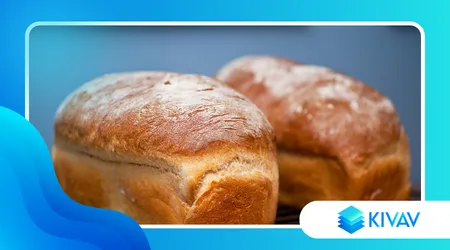
The Alpine rye bread It represents the very essence of high-altitude breadmaking, expertly combining age-old traditions, natural fermentations, and an extraordinarily complex nutritional profile.
Announcements
This product, a symbol of South Tyrol's gastronomic identity, is not just a food, but a true edible historical archive that has stood the test of time.
In this article, we'll delve into the production techniques, the selection of raw materials, and the cultural value of this mountain delicacy.
Article summary
- Origins and Specifications of Alpine Rye Bread
- What are the characteristics of South Tyrolean rye bread?
- How do you make sourdough starter for rye?
- Why is Alpine Rye Bread considered a superfood?
- Nutritional data and technical comparison
- Quick Recipe
- Frequently Asked Questions (FAQ)
What are the characteristics of South Tyrolean rye bread?
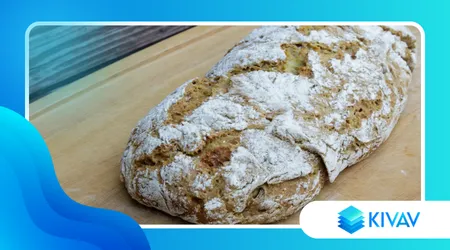
The Alpine rye bread It is distinguished by a brown, crunchy and often cracked crust, which encloses a dense, moist and pleasantly acidic crumb.
Rye, the resilient grain par excellence, dominates the dough with its unique ability to retain water thanks to pentosans.
Announcements
Unlike wheat, rye does not develop an elastic gluten network, thus requiring processing based on viscosity rather than structural toughness.
This technical peculiarity makes bread making a delicate process, where controlling temperatures and fermentation times becomes fundamental.
The aromatic profile is enriched by the expert use of local spices such as cumin, wild fennel and fenugreek (zigreunerchraut).
These ingredients not only give it an unmistakable flavor, but also play a crucial role in making the final product easier to digest.
How do you make sourdough starter for rye?
To get an authentic Alpine rye bread, the use of sourdough starter (Sauerteig) is absolutely essential for the correct management of complex carbohydrates.
Rye contains enzymes called amylases, which, if left unchecked by acidity, would destroy the starch structure during baking, making the bread sticky.
The process begins with a slow fermentation, where lactic acid bacteria lower the pH of the dough, inhibiting the excessive action of amylase and ensuring stability.
This traditional method requires patience, as each refreshment must take place under stable thermal conditions, usually between 24 and 28 degrees Celsius.
A correct sourdough starter not only guarantees the structure, but also releases aromatic precursors that intensify during the cooking phase in the wood-fired oven.
Find out more: Bread with spelt flour and acacia honey
The baker's mastery lies precisely in knowing how to read the maturation of the yeast, adapting it to the climatic variations typical of the Alpine valleys.
Why is Alpine Rye Bread considered a superfood?
The Alpine rye bread It boasts a significantly lower glycemic index than baked products made exclusively with refined soft wheat flour.
This factor makes it ideal for those looking for a gradually released energy source, avoiding insulin spikes that are harmful to the body.
The richness of insoluble fiber actively contributes to the health of the intestinal microbiota, promoting regular digestion and a prolonged feeling of satiety.
Additionally, rye is a valuable source of lysine, an essential amino acid often lacking in other grains, improving the overall protein profile.
Choose the Alpine rye bread It also means supporting the agricultural biodiversity of mountain regions, where the cultivation of rye protects the soil from erosion.
To learn more about the quality standards of cereals in Europe, you can consult the official reports of the European Food Safety Authority, which monitors food safety.
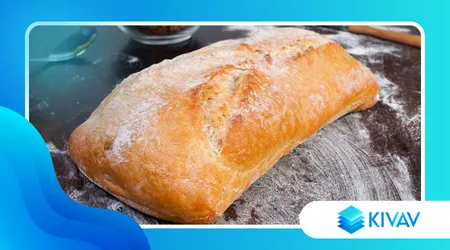
Technical and nutritional data of rye bread
The following table illustrates the average differences between a traditional wholemeal rye bread and a common type 00 white bread.
| Parameter (per 100g) | Alpine rye bread | Common White Bread |
| Total fiber | 8.5 g – 11.0 g | 2.3 g – 3.0 g |
| Glycemic Index | 45 – 50 (Low) | 70 – 85 (High) |
| Proteins | 8.2 g | 7.5 g |
| Mineral Salts | Potassium, Magnesium, Zinc | Reduced tracks |
| Shelf Life | 5 – 10 days | 1 – 2 days |
When should you eat rye bread to maximize its benefits?
The ideal time to enjoy the Alpine rye bread It is during breakfast, combined with healthy fats or high-quality proteins.
Its caloric and nutrient density provides the sustenance needed to tackle intense physical activity or long days of mental work.
Many athletes choose this bread for its mineralizing properties, as the magnesium it contains helps prevent muscle cramps during high-altitude excursions.
Even during main meals, a thin slice perfectly accompanies aged cheeses, South Tyrolean speck, or warm soups made with legumes and winter vegetables.
It is important to note that the Alpine rye bread It develops its full aromatic bouquet about 24 hours after cooking, when the internal humidity stabilizes.
Storing it in a linen cloth allows the crust to maintain the ideal consistency without encouraging the proliferation of unwanted mold.
Which rye variety should you choose for professional baking?
The choice of raw materials defines the success of the Alpine rye bread, directing the preference towards local varieties grown above 1000 metres above sea level.
These plants, subjected to climatic stress, develop smaller grains but extremely rich in nutrients and phenolic compounds compared to lowland varieties.
Stone grinding remains the preferred method for preserving the grain's germ, the most vital part, rich in essential oils and vitamins.
Using fresh flours ensures optimal enzymatic activity, essential for properly feeding the sourdough starter during the long pre-fermentation phases.
The modern baker must balance tradition with scientific knowledge, analyzing the flour's absorbency to regulate the dough's hydration.
Interesting: Matera PGI Bread: crispy crust and long shelf life
A Alpine rye bread excellent is therefore born from the encounter between the peasant wisdom of the past and modern fermentation control technologies.
Quick Recipe
For an authentic Alpine rye bread, prepare a pre-dough with 250g of rye flour and 250ml of lukewarm water, leaving it to ferment for 12 hours.
Next, combine 500g rye flour, 250g wheat flour, 500ml water, 15g salt, and a mix of cumin and fennel. Knead the dough briefly; it will be sticky.
Let it rest for an hour, shape into flat loaves, and bake at 220°C (425°F) for 10 minutes, then at 190°C (375°F) for another 30 minutes. The steam in the oven is essential for the crust. Let it cool for 24 hours to stabilize the flavors.
Conclusion
Ultimately, the Alpine rye bread It represents a pillar of the continental Mediterranean diet, offering benefits that go far beyond simple palate pleasure.
Its production requires uncommon technical dedication, which rewards the consumer with a healthy, long-lasting product deeply rooted in the territory.
Choosing this food consciously means promoting a short supply chain that respects the rhythms of nature and the health of modern man.
We invite all baking enthusiasts to experiment with this technique, rediscovering the value of time and natural fermentation in the kitchen.
For further information on agricultural traditions and the certification of mountain products, you can visit the institutional portal of the Autonomous Province of Bolzano – Agriculture.
Frequently Asked Questions
What is the Alto Adige quality seal for bread?
The brand guarantees that the Alpine rye bread is produced following traditional recipes, using at least 75% of local raw materials and without chemical additives.
Does rye bread contain gluten?
Yes, the Alpine rye bread It contains gluten, although in different quantities and structure than wheat, so it is not suitable for people with celiac disease.
How do you store this bread properly?
The best way is to wrap it in a paper bag or cotton cloth, avoiding the plastic seal to prevent excessive humidity.
What are the typical spices used?
The essential spices for the authentic Alpine rye bread They are cumin, fennel, anise and the characteristic fenugreek, which give balsamic notes and aid digestion.
++ ancient recipes and flours for timeless flavors
