
The new creaming process: butter, oil, or plant-based alternatives? Pros and cons
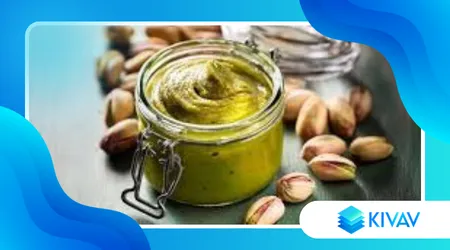
The new creaming it is no longer just the final act of a recipe, but the moment in which the chemistry of starches meets the sensitivity of the chef to define the identity of a dish.
Announcements
If once the diktat was opulence at all costs, today contemporary cuisine is moving toward an aromatic purity that favors molecular structure and digestibility, transforming fat from a simple condiment to a carrier of aromas.
In this technical insight, we will deconstruct the dynamics of modern emulsions to understand how to manage lipids without suffocating the raw materials.
Article summary
- The evolution of the bond between starches and fats.
- The technical duel between cow's milk butter and extra virgin olive oil.
- The frontiers of vegetable and fat emulsions.
- Technical table: temperatures and balances.
- Signature recipe: “Essenza” risotto with chlorophyll and extra virgin olive oil.
- FAQs and practical advice.
What is the new mantecatura and why is it changing cooking?
Approaching to the new creaming It means abandoning the idea of fat as a "covering" medium. There's a subtle sense of uneasiness when the flavor of the rice grain disappears under layers of cream or cheap butter; this is why the technique has evolved toward the stability of cold emulsions.
We are no longer looking for just creaminess, but a colloidal suspension capable of trapping air.
Announcements
The secret lies in controlling triglycerides. Chefs today don't just stir, they adjust the density of the cooking liquid so that the addition of fat generates an immediate, almost magnetic reaction, which polishes the surface without weighing down the palate.
What are the advantages of cold butter in the process?
Butter remains a mainstay, but its use has become almost surgical. Using animal fat below 4°C not only cools the preparation, but also creates a thermal shock that crystallizes the emulsion more persistently.
It's a technical paradox: the colder the butter, the smoother and less greasy the cream will be to the senses.
Acidity is often underestimated. Using fermented or slightly acidified butters allows you to cut excess fat, providing an aromatic foundation that enhances the toasted notes of the grains.
This is where tradition stops being a dogma and becomes a precision instrument.
Why does extra virgin olive oil dominate Mediterranean cuisine?
Extra virgin olive oil is the undisputed protagonist of the new creaming When the goal is vertical flavor. Unlike butter, oil is unforgiving: if the emulsion isn't perfect, the fat separates, leaving the dish heavy and unconnected.
A strong mechanical energy, the famous “wave”, is needed to shatter the lipid droplets and bind them to the starchy water.
Choosing a single-variety olive oil means deciding the finish of your dish. A preference for olive oil isn't just a healthful choice, but a precise editorial positioning: the desire to enhance the herbaceous and spicy notes that only a great olive extract can impart to pasta or fish.
What are the most effective plant-based alternatives today?
The plant-based universe has moved from being a trivial substitute to becoming a creative opportunity. Ingredients like cocoa butter, thanks to its melting point close to body temperature, offer an unrivaled silkiness.
Equally interesting are the creams made from fermented oilseeds, which provide that “umami” note often absent in purely plant-based preparations.
To delve deeper into the biochemical aspect of these transformations, it is useful to consult the analyses of the Umberto Veronesi Foundation, which explores the relationship between saturated fat and the stability of cell membranes in cooking.
Extracting the fat directly from an almond or cashew allows you to obtain a creamy sauce that is both a condiment and a structural ingredient.
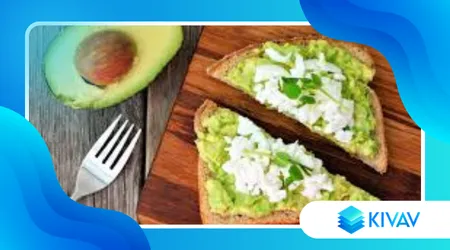
Technical Table: Parameters for the Perfect Emulsion (Data 2026)
| Grease Used | Insertion Temperature | Ratio per 100g | Sensory Effect |
| Frozen Butter | < 4°C | 8g – 10g | Enveloping, Round |
| EVO oil | 18°C – 20°C | 12ml – 15ml | Vertical, Herbaceous |
| Cocoa Butter | 35°C (time zone) | 4g – 6g | Silky, Neutral |
| Pine Nut Cream | 20°C | 15g | Mineral, Persistent |
Recipe: Chlorophyll Risotto with Extra Virgin Olive Oil
This preparation enhances the new creaming focusing entirely on the freshness and mechanical strength of the dairy-free emulsion.
- Roasting: Dry toast 320g of Carnaroli rice, without adding fat, until the grain is hot to the touch.
- Cooking: Moisten with light vegetable broth, maintaining a constant but gentle boil.
- Green Element: Halfway through cooking, add a parsley and spinach extract (previously blanched and chilled in ice).
- Creaming: With the heat off, let the rice rest for 60 seconds. Drizzle in 40ml of monovarietal extra virgin olive oil (e.g., Nocellara), swirling the pan in a circular motion and tossing the rice to incorporate air.
- Finish: Season with salt and white pepper, serving immediately on flat plates so as not to block the wave.
Find out more: Natural Italian preservation techniques: in oil, vinegar, and brine
When to use forced ventilation techniques?
The introduction of blenders and siphons into the kitchen has changed the rules of the game. If your hand isn't enough to create the desired emulsion, forced aeration allows you to stabilize sauces that contain a very low percentage of fat.
It is a technical approach that favors extreme lightness, ideal for complex tasting menus where palate saturation must be avoided at all costs.
These foams, or “blown” creams, remain suspended between the liquid and solid states, offering a unique tactile experience.
++ Zero-waste Italian cuisine: traditional techniques for recovering bread, vegetables, and broths.
The use of natural lecithins facilitates this process, making it possible to cream a risotto with just a highly concentrated shellfish water and a minimal amount of oil.
What are the mistakes to avoid during the final emulsion?
The number one enemy is excessive residual heat. Many amateur cooks stir while the rice is still boiling, destroying any chance of creating a stable emulsion.
Fat, subjected to direct heat without the necessary kinetic movement, breaks down, creating that unpleasant greasy film that ruins the aesthetics of the dish.
Interesting: Artichoke and Pecorino Romano tart: a fragrant side dish with a Lazio heart.
Another common mistake is using cooking water that's too low in starch. If the pasta hasn't released enough natural "glue," the fat won't find a molecular hold to bind to.
Patience and timing are, ultimately, the true secret ingredients to any great finish.
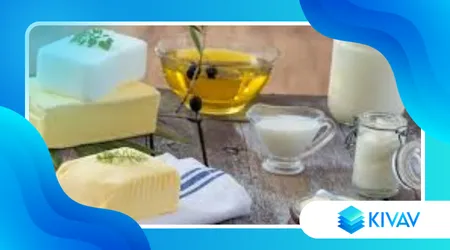
Final reflections
Master the new creaming It means stopping slavishly following recipes and starting to dialogue with the ingredients.
It's not just a technical step, but an act of respect towards the diner who seeks a balance between pleasure and well-being. The choice between butter, oil, or vegetable bases defines who we are as chefs and the story we want to tell through the dish.
The future of Italian gastronomy inevitably depends on this chemical and sensorial awareness. To learn more about the regulations governing the quality of oils and fine fats, you can consult the portal of Ministry of Agriculture, a point of reference for the protection of our excellence.
FAQ – Frequently Asked Questions
1. Why does my risotto always come out “loose”?
The creaming temperature is probably too high or the necessary starch content is lacking in the liquid. Try letting the rice rest for a minute before starting.
2. Does extra virgin olive oil change flavor if heated during stirring?
Yes, the more delicate volatile notes fade above 60°C. Adding it with the heat off preserves the integrity of the oil's aromatic bouquet.
3. Can I use bean water (aquafaba) for creaming?
Absolutely. It's an excellent natural emulsifier that allows you to achieve incredible creaminess without adding saturated fats or animal derivatives.
4. Is clarified butter suitable for creaming?
It's excellent for thermal stability, but it loses the protein component that helps create the "milky" emulsion. It's best used with a splash of cold water.
5. What is the difference between mantecatura and “legatura”?
Mantecatura is a mechanical emulsion of fats and starches, while binding often involves the use of external thickeners such as flour or starch, a technique less commonly used today in quality first courses.
++ Plant-based alternatives to butter
++ Butter and vegetable oils: which is healthier?
