
Focaccia from Bari with cherry tomatoes and oregano: a top Apulian recipe
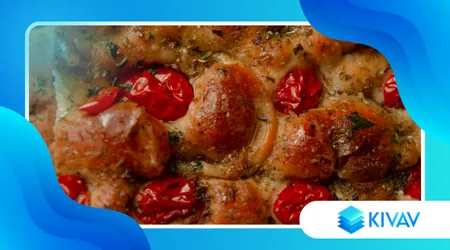
There Bari focaccia with cherry tomatoes and oregano It's not just a simple baked good; it's a collective ritual that pulsates through the alleys of Bari Vecchia, where the scent of yeast mingles with the saltiness of the sea.
Announcements
If you think this is a variation on pizza, you're wrong. This is an architecture of contrasts: a base that almost sizzles in extra virgin olive oil, a crumb that defies gravity with its softness, and the acidic touch of tomato that breaks through the saltiness of the dough.
Article summary
- The identity of true focaccia between history and specifications.
- The “clandestine” ingredient: why the potato changes everything.
- Temperature management and secrets of the iron pan.
- The definitive technical recipe for your home oven.
- FAQ: Troubleshooting common baking problems.
What is the original Barese focaccia with cherry tomatoes and oregano?
Calling it “focaccia” is an understatement, almost an injustice to a tradition that the Consortium of Focaccia Barese protects with a rigor that borders on the sacred.
Unlike the Genoese versions, which are thinner and crunchier, the Barese version focuses entirely on height and structure.
The edge should be browned, crispy enough to make a clicking sound when bitten, while the inside should remain moist, almost as if the pastry never wants to dry out completely.
Announcements
There's one detail that's often overlooked: the tomato. It doesn't need to be cut with surgical precision. It needs to be literally "schiattato" (split) by hand directly onto the leavened dough.
This seemingly crude gesture allows the juice to drip into the dimples created by the fingers, creating differentiated cooking zones where the dough combines with the cooking water. It is in this controlled chaos that the secret of its ancestral flavor lies.
What are the key ingredients for an authentic dough?
Forget the weak 00 flour found in supermarkets. To withstand the impact of a long leavening process and the moisture of the sauces, you need the strength of re-milled durum wheat semolina.
It's this that gives the golden color and rustic chewiness that are the hallmarks of Apulian bread. But the real stroke of genius, the one often viewed with suspicion by modern bread-making purists, is the boiled potato.
Adding a mashed potato to the dough isn't a trick to save flour, but a deliberate technical choice.
Potato starches bind water differently, ensuring that the Bari focaccia with cherry tomatoes and oregano remains soft even several hours after cooking.
++ Crispy Roman pinsa with hydrated dough and mixed flours
The oil, then, must be an extra virgin olive oil with character, preferably a Coratina that brings with it that hint of bitterness and spiciness capable of cutting through the sweetness of the sun-ripened tomatoes.
Technical recipe: how to replicate it perfectly at home
Let's get down to business, leaving theory aside. For a standard round pan (about 32-34 cm), the weights must be precisely measured to avoid a product that's too heavy or, worse, a focaccia that won't rise.
Ingredients:
- 300g of re-milled durum wheat semolina
- 200g of type 0 flour (about 280W)
- 100g boiled and mashed potato (cold)
- 350g of water at room temperature
- 10g of fine sea salt
- 4g of dry brewer's yeast (or 12g of fresh)
- Apulian EVO oil (abundant)
- Cherry tomatoes, dried oregano and Bari olives
Procedure:
Mix the flours with the mashed potato, adding the water in which you've dissolved the yeast. Knead vigorously: the dough will be sticky, but don't give in to the temptation to add more flour.
After an initial rise of about 3 hours until doubled in size, generously grease the pan. This is no joke: the oil must cover the bottom thoroughly.
Find out more: Cuttlefish Ink Bread: A Seafood Touch for Your Gourmet Table
Spread the dough with your fingertips, let it rest for another 45 minutes, then add the tomatoes and olives.
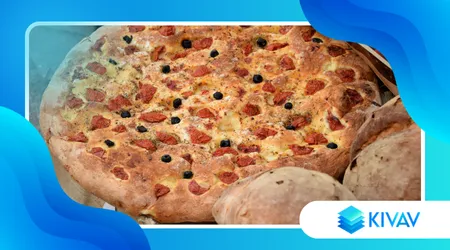
Sprinkle with oregano and coarse salt. Bake at 250°C in the lower third of the oven for the first 10-12 minutes, then move it to the center until golden brown.
Why is cooking essential to the final result?
The home oven is often the number one enemy of regional baking. Bari focaccia with cherry tomatoes and oregano requires violent heat.
Without the initial thermal shock, the crust will never develop the crispy crust it's famous for. If you see smoke coming from the oven, you're probably using the right amount of oil: it's almost like a controlled frying process taking place inside the pan.
There's a sense of uneasiness in watching it cook: it always seems like it's about to burn, but that's exactly when the sugars in the semolina and tomato caramelize, creating an incredible aromatic complexity.
You can learn more about the evolution of ancient cereals on the portal of’ Italian Academy of Cuisine, where history is intertwined with the sensory analysis of the dough.
| Parameter | Ideal Value | Effect on Focaccia |
| Oven Temperature | 250°C – 270°C | Immediate crunchiness of the bottom |
| Leavening Time | 4-6 hours total | Alveolation and lightness |
| Hydration | 70% | Moisture of the internal crumb |
| Quantity of Oil | 40-50ml in a pan | Confit and browning effect |
Which oil should I choose for focaccia barese with cherry tomatoes and oregano?
Underestimating oil is the mistake that separates an amateur from a professional. In Puglia, oil is an ingredient, not a mere condiment.
For one Bari focaccia with cherry tomatoes and oregano To respect itself, a product is needed that can withstand high temperatures without immediately degrading, maintaining a herbaceous aromatic profile.
Oil doesn't just prevent the dough from sticking. It penetrates the pores of the dough as it expands under the heat, creating micro-cracks in the crust that then become the areas of maximum crumblyness.
++ Venetian fregolotta cake: crumbly and rustic like it once was
It's a game of balance between fats and carbohydrates that requires impeccable raw materials, possibly cold-extracted and of the current vintage.
How to store focaccia without losing its fragrance?
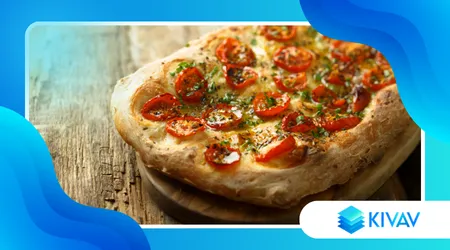
If by some miracle you have a piece left over, avoid the refrigerator like the plague. The cold crystallizes the starches and makes the focaccia resemble damp cardboard.
The ideal is to leave it at room temperature, covered with a linen cloth that allows the structure to “breathe” without drying out excessively.
To regenerate it, a convection oven at 180°C is the only viable option. It only takes three minutes for the oil to heat up again, bringing the crust back to life.
It's a little trick, but it can never match the thrill of the first batch, when the scent of burnt oregano fills the kitchen and the tomato is still almost incandescent.
You can find further ideas on the seasonal variations of Apulian bread making on Red Shrimp, where the pursuit of quality meets the most modern techniques.
Cooking this marvel is an act of love for a land that has made simplicity its highest standard. Bringing this focaccia to the table tells a story of flour-stained hands and endless summers.
FAQ: Frequently Asked Questions
Can I skip the potato if I'm in a hurry?
Technically, yes, but you'll end up with a focaccia that hardens within two hours. The potato is the life insurance of Bari's softness; skipping it means sacrificing the very essence of the original recipe.
Why do my cherry tomatoes tend to burn?
You probably didn't press them down hard enough, or your oven's top heating element is too aggressive. Try covering them with aluminum foil for the last 5 minutes or make sure they're well-soaked in oil.
Can I use a regular non-stick pan?
It is possible, but the heat conduction of the blue iron or professional aluminum pan is superior. Bari focaccia with cherry tomatoes and oregano It needs rapid and violent heat transmission to avoid becoming rubbery.
Should the oregano be added before or after cooking?
Always first. The oregano must be lightly toasted with the oil and tomato juice to release its aromatic power. Adding it cold would result in a disjointed and less integrated result.
