
Traditional Italian desserts with modern texture contrasts
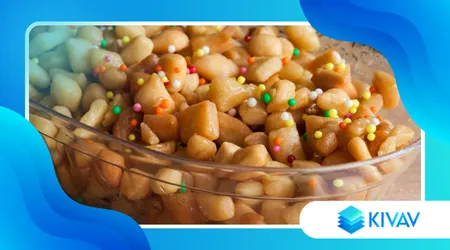
THE modern texture contrasts They represent the contemporary evolution of Italian pastry making, combining the sacredness of historic recipes with cutting-edge sensory structures.
Announcements
In this article, we'll explore how master pastry chefs are revolutionizing traditional desserts through new textures and innovative techniques.
Article summary
- Sensory evolution in Italian pastry making
- What are modern texture contrasts?
- Why texture affects taste perception
- Which traditional sweets are best suited to metamorphosis?
- Three iconic recipes reinvented
- Advanced techniques and real industry data
- FAQs and practical answers for enthusiasts
What are modern texture contrasts in desserts?
Contemporary Italian pastry making does not alter the authentic flavors codified by tradition, but rather reinterprets their physical structure through the insertion of innovative geometric and physical elements.
This approach translates into the strategic coexistence of extreme creaminess, glassy crunchiness, airy elements and soft gellings within the same tasting.
The main goal is to break the palate monotony that often characterizes classic desserts, stimulating the mechanical receptors of the mouth together with those of taste.
Announcements
Insert modern texture contrasts It therefore means creating a calculated sensory path, where each single layer amplifies the perception of the original flavor.
Why does tactile contrast improve the taste experience?
Neurogastronomy demonstrates that the texture of a food directly influences how the brain perceives the intensity and persistence of aromatic flavors.
When we chew elements with different resistances, the time the food remains on the palate is extended, modifying the release of volatile molecules.
A uniform consistency tends to numb the receptors after a few spoonfuls, reducing the initial excitement and overall enjoyment of the dessert.
++ Traditional Italian desserts in mini gourmet portions
On the contrary, the carefully studied alternation between soft and crunchy creates a continuous surprise factor that keeps the end consumer's attention high.
Which traditional Italian desserts use these techniques today?
Tiramisu leads this structural revolution, welcoming inserts of crystallized chocolate or sanded coffee that break up the fluidity of the mascarpone cream.
The Sicilian cannolo is also reinterpreted, maintaining the wafer but adding pearls of freeze-dried ricotta and reduced-viscosity orange gel.
Panna cotta, often criticized for its sometimes rubbery consistency, is reborn thanks to stable air-based creams and water-repellent dried fruit crumbles.
Interesting: Lombard Country Cake: A Dessert of Recovery and Memory
These technical measures allow us to safeguard the cultural identity of the dessert, elevating the consumption experience to high international catering standards.
How do pastry chefs apply modern texture contrasts?
Professionals use technological ingredients of natural origin such as isomalt, maltodextrins and specific hydrocolloids to modify the physical structure of traditional elements.
The application of the modern texture contrasts It requires pinpoint precision in balancing the fats, sugars, and free water present.
An excellent example is the cryo-grinding technique, which allows you to obtain crunchy powders from originally liquid or pasty elements.
You can learn more about these scientific dynamics by consulting the research of Umberto Veronesi Foundation, which often analyzes food chemistry and nutritional innovation.
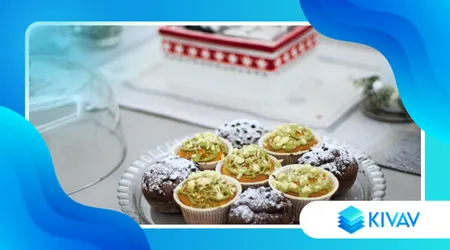
Three Iconic Recipes Reinvented
1. Textured Tiramisu with Coffee Crystals
- Creamy Base: We prepare a classic mousse with mascarpone and cold-whipped egg yolks, lightened with a very small percentage of semi-whipped cream to ensure an airy consistency.
- Contrast Element: We replace the classic ladyfingers soaked in water with a light cocoa biscuit, topped with a very thin sheet of dark chocolate melted with cocoa butter and espresso-flavored sugar crystals.
- Finish: We dust the surface with bitter cocoa mixed with crunchy chocolate microspheres for a three-dimensional geometric effect when cut.
2. Panna Cotta Suspended with Raspberry Air
Creamy Base: We heat the fresh cream with the Bourbon vanilla pod and very little sugar, gelling it exclusively with hydrated gelatine to obtain a silky consistency that melts instantly in the mouth.
++ Regenerating Italian Dishes Without Losing Flavor
Contrast Element: We create a faux crumble using toasted Avola almonds, sautéed in a pan with granulated sugar and a pinch of whole sea salt to counteract the sweetness of the base.
Finish: Using a kitchen aerator, we produce a light air made from pure raspberry juice and soy lecithin, placing it gently on the surface of the dessert before serving.
3. Deconstructed Cannolo with Orange Fluid Gel
- Creamy Base: Sift the very fresh sheep's ricotta and mix it with very fine icing sugar until you obtain a smooth, almost shiny cream, which you can then place in a piping bag.
- Contrast Element: We roughly break up the traditional fried cannoli shells, previously brushing the inside with a light layer of cocoa butter to keep them impermeable to the moisture of the cream.
- Finish: We prepare a fluid gel by blending a Sicilian orange juice with the addition of agar-agar, creating points of clear acidity that cleanse the palate between one tasting and the next.
What are the real data on the evolution of pastry making? Contrasts of modern textures
The Italian pastry market shows a clear preference for products that combine the reassurance of tradition with technical innovation.
Consumers seek memorable experiences, preferring structural complexity over simple sugary sweetness, as confirmed by current economic trends in the sector.
| Traditional Dessert | Classic Element | Texture Innovation | Sensory Objective |
| Tiramisu | Soaked Savoyard | Crunchy cocoa soil | Mechanical contrast |
| Panna Cotta | Uniform gelatin | Stagnant air of berries | Lightness and volatility |
| Sicilian Cannoli | Fried peel | Citrus fluid gel | Palate cleansing |
| Sponge cake and custard | Soft sponge cake | Crystallized Alchermes wafer | New persistence |
When does texture surpass flavor in perception?
There are specific moments when the structural architecture of a dessert becomes more important for commercial success than its primary flavor signature.
This is especially true in fine dining, where the memorability of a dish relies on the surprise created during the act of chewing.
The perfect balance requires that the innovative technique never overwhelms the primary flavor, but acts as a vehicle to amplify the taste notes.
Texture games must serve taste, ensuring that innovation remains an added value and not a distraction.
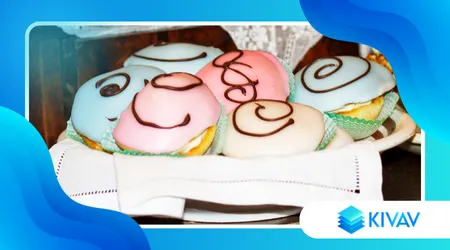
Perspectives on Contemporary Italian Pastry
Structural integration into historical desserts does not represent a betrayal of the past, but the key to keeping the national culinary tradition alive in the future.
Italian masters demonstrate that technical evolution is essential to compete globally without losing one's cultural roots.
Sensory balance is now an essential requirement for pastry shops that wish to convey contemporaneity, elegance, and profound scientific knowledge.
To stay up to date on gastronomic trends and quality certifications of Italian products, we recommend visiting the official website of Ministry of Agriculture, Food Sovereignty and Forestry.
Frequently Asked Questions
What is meant by texture in pastry making?
Texture defines the set of physical and structural properties of a sweet as perceived through the tactile receptors of the mouth and palate.
How do you get long-lasting crunch in moist desserts?
Pastry chefs use natural water-repellent barriers like melted cocoa butter to insulate the cookies from the moisture of the creams inside.
Why is texture balance useful in traditional desserts?
It helps reduce the perception of fat and sugar, making traditional desserts more suitable for modern nutritional needs.
What natural ingredients help change consistencies?
Agar-agar, pectin, inulin, and modified rice starch are among the most widely used tools for obtaining innovative structures.
++ Traditional Sweets: the new line inspired by the most famous Italian desserts.
++ Traditional Italian Desserts Return with a Modern Twist
