
Ligurian-style stuffed onions with bread, olives, and marjoram

Prepare the Ligurian-style stuffed onions with bread, olives and marjoram means bringing to the table the authentic essence of the Riviera's simple yet refined cuisine.
Announcements
Article Summary
- The roots of Ligurian culinary tradition
- Why use stale bread in the filling?
- What are the best onions for this recipe?
- The nutritional and technical table of the dish
- Step-by-step guide for a perfect result
- Conclusion and pairing suggestions
- FAQ: Answers to common questions
Why do Ligurian-style stuffed onions with bread represent leftover cuisine?
Ligurian gastronomy has historically been founded on the ability to transform a few simple ingredients into masterpieces of flavor, optimizing every resource available in the garden.
This specific preparation reflects the domestic economy of the past, where leftovers took center stage, ennobled by the fresh aromatic herbs that grew wild among the coastal rocks.
Unlike the Piedmontese versions, which often include meat, the Ligurian variant favors the lightness of local bread soaked in milk, creating an irresistible velvety texture.
The addition of Taggiasca olives and fresh marjoram gives it that unmistakable aromatic profile that immediately evokes the scents of the Mediterranean scrub and Ligurian terraces.
Announcements
Today, in 2026, rediscovering these recipes means embracing a sustainable food philosophy, reducing food waste without sacrificing the pleasure of a gourmet dish.
Which onion varieties are ideal for stuffing?
Not all onions are suitable for stuffing; the choice of ingredients determines the structural integrity and the balance between sweetness and acidity.
Coppery onions from Genoa are the perfect choice for this recipe, thanks to their firm flesh that doesn't fall apart during the pre-boiling process required for preparation.
Alternatively, the red onion from Tropea can offer a sweeter note, although authentic Ligurian tradition prefers less invasive local varieties so as not to overwhelm the marjoram.
It is essential to select bulbs of medium and uniform size, thus ensuring even cooking of both the vegetable base and the creamy heart made from bread and olives.
Interesting: Roman-style puntarelle salad
Make sure the onions are fresh and free of sprouts, as the compactness of the outer layers will act as a natural "container" for the tasty Ligurian mixture we will create.
The Science of Taste: Table of Main Components
| Ingredient | Gastronomic Function | Main Properties |
| Stale bread | Structure and softness | Complex carbohydrates |
| Taggiasca Olives | Flavor and character | Monounsaturated fats |
| Marjoram | Aroma and freshness | Natural antioxidant |
| Parmigiano Reggiano | Umami and binding | Calcium and proteins |
| Ligurian EVO Oil | Flavor vehicle | Polyphenols and vitamin E |

How to Make Ligurian Stuffed Onions with Bread: A Step-by-Step Guide
Start by cleaning four large copper onions, removing only the dry outer skin and keeping the base intact to prevent the leaves from detaching prematurely during boiling.
Plunge the bulbs into plenty of salted water and cook for about fifteen minutes; they should be tender but still resistant to the pressure of a fork in the center.
Drain the onions and let them cool before cutting them in half horizontally, then using a teaspoon to scoop out the core, creating a bowl-shaped cavity.
Find out more: Venetian-style battered vegetables
Soak 150 grams of stale breadcrumbs in a little milk or water, squeezing them carefully after a few minutes to remove excess liquid before kneading.
Continuation of the recipe Ligurian-style stuffed onions with bread
Finely chop the previously removed onion hearts and sauté them in a pan with a drizzle of extra virgin olive oil until they are transparent, sweet and lightly golden.
In a bowl, combine the squeezed bread, chopped onion, two tablespoons of pitted Taggiasca olives, plenty of chopped fresh marjoram, a medium egg, and 50 grams of Parmesan cheese.
Mix the mixture carefully, seasoning with salt and freshly ground black pepper, until you obtain a firm consistency that can be easily shaped with the back of a spoon.
Generously fill each onion cap with the filling, pressing lightly to avoid air bubbles and leveling the surface to encourage the subsequent formation of a crispy crust.
Arrange the onions in an oiled baking dish, sprinkle with a light layer of breadcrumbs and bake at 180°C for about thirty minutes, until the surface appears uniformly golden and inviting.
You can find further information on vegetable cooking techniques by consulting the official portal of the Red Shrimp, a point of reference for contemporary Italian gastronomic excellence.
When to serve this typical Riviera appetizer?
Stuffed onions are extremely versatile: excellent as a hot appetizer, they can be transformed into a hearty side dish ideal to accompany baked fish dishes or delicate white meats.
Their nature also makes them perfect for cold buffets or picnics, as resting allows the flavours of the marjoram and olives to blend further together.
In summer, serving them at room temperature enhances the aromatic notes of the Ligurian oil, making the dish refreshing despite the oven-baked cooking typical of the peasant tradition of the West.
Pair this delicacy with a glass of Vermentino dei Colli di Luni, whose mineral flavor perfectly balances the natural sweetness of the cooked onions and the fattiness of the bread.
The simplicity of the ingredients, however, demands absolute quality; use only cold-pressed extra virgin olive oil to ensure that pine nut aftertaste typical of high-end products.
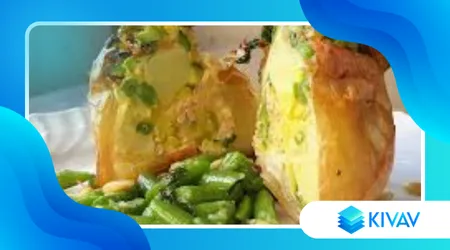
a timeless classic Ligurian-style stuffed onions with bread
Prepare the Ligurian-style stuffed onions with bread It is an act of love towards Italian culinary history, capable of satisfying modern palates with ancient and reassuring flavours.
This recipe demonstrates how the harmony between vegetables, aromatic herbs, and bread can create a nutritional and sensorial balance superior to much more complex and costly preparations.
Experiment with the amount of marjoram according to your personal taste, but remember that it is precisely this ingredient that defines the geographical identity of the dish within the Mediterranean landscape.
To discover other regional variations and learn more about the culture of Ligurian DOP products, visit the website Agriliguria, dedicated to the protection and promotion of regional agricultural excellence.
Frequently Asked Questions
Can I use whole wheat bread for the filling?
Of course, whole wheat bread adds a toasted, rustic note that pairs well with the sweetness of the onion, also increasing the dish's total fiber content.
How to store leftover onions?
You can store them in an airtight container in the refrigerator for up to two days, reheating them slightly in a conventional oven to restore the crispiness of the surface of the bread and cheese.
What substitute should I use for marjoram?
While marjoram is essential for Ligurian authenticity, in its absence you can use fresh oregano, which belongs to the same botanical family but has a decidedly more intense and pungent aroma.
Should onions be boiled whole or already chopped?
It's best to boil them whole with the skin on or just peeled to protect the heart; cutting them before cooking risks causing the vegetable's internal fibers to absorb too much water.
Can I prepare the filling in advance?
Yes, the bread, olive, and herb mixture can be prepared the day before and stored in the refrigerator, allowing the flavors to meld perfectly before filling and final baking.
++ How to cook Ligurian-style stuffed vegetables
++ National Stuffed Vegetable Day
