
Anolini in Parmigiana Broth: A Festive Tradition from Western Emilia
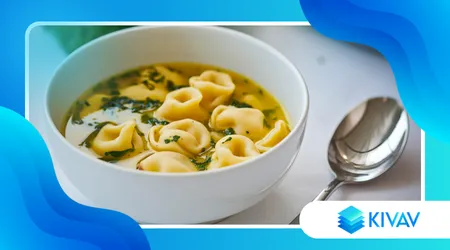
The anolini in parmesan broth They represent much more than simple stuffed pasta; they are the symbol of an entire province's identity and the beating heart of Christmas in Emilia.
Announcements
In this technical and cultural insight, we will explore the historical roots, the rigorous selection of raw materials, and the complex preparation that transforms humble ingredients into a gastronomic masterpiece.
Article summary
- The historical origins between nobility and popular tradition.
- The filling specification: beef stew.
- The science of broth in third grade: the secret of flavor.
- Detailed recipe and balance of ingredients.
- Technical comparison between the Emilian variants.
- Tips for perfect storage and serving.
What is anolino and how is it different from tortellino?
The anolini in parmesan broth They are clearly different from their Bolognese cousins in shape, size and, above all, in the composition of the filling which does not include raw meat.
This pasta was historically born in the Renaissance courts, mentioned as early as the 16th century by Bartolomeo Scappi, secret chef of Pope Pius V, as a dish of the highest quality.
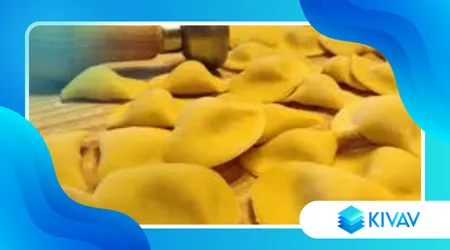
The structure is a perfect hemisphere, obtained with a metal mold without holes, which seals the filling between two layers of very thin egg pastry.
Announcements
Unlike tortellino, anolino parmigiano focuses entirely on the aromatic depth of the ox or beef stew, slowly cooked for hours in a red wine sauce.
The flavor is rounder and less salty than versions using raw ham or mortadella, enhancing the perception of aged Parmigiano Reggiano.
What are the essential ingredients for an authentic filling?
The preparation of the anolini in parmesan broth It requires a meticulous selection of ingredients, starting with Parmigiano Reggiano, which must be at least 24 months old.
The heart of the recipe is the stew; a cut of beef such as the bell or shoulder, rich in collagen, is usually used.
The breadcrumbs must be of the common type, unseasoned, and are "scalded" with the meat sauce to obtain a silky and compact consistency.
There is no authentic version without the addition of a pinch of nutmeg, which must however remain an aromatic whisper without ever overpowering the flavor of the meat.
Every family in Parma has a secret ratio of cheese to bread, a balance that determines the flavor and the filling's ability to hold together during boiling.
How to prepare excellent "third" broth?
The service of the anolini in parmesan broth It requires a very high quality broth, traditionally defined as “in terza” due to the use of three different types of meat.
Beef (brisket or double), old hen for the noble fat and capon for the sweetness and final elegance are used simultaneously.
Cooking must be very slow, never rapid, to prevent the liquid from becoming cloudy; skimming the liquid off initially is essential to ensure a crystal-clear finish.
Some variations include a sponge bone to enrich the mineral density, but the purity of the flavor comes from the quality of the fresh vegetables added cold.
Find out more: Neapolitan-style baked ziti
A perfect broth should coat the spoon, leaving a clean sensation on the palate and a persistence that enhances the pasta without covering the complexity of the stew.
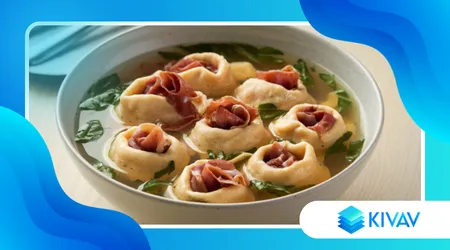
Detailed Recipe: Anolini in Parmigiana Broth
To obtain a professional result, follow these doses calibrated for approximately 6-8 people, respecting the resting times necessary for the stabilization of the intense flavors.
Ingredients for the Stracotto and Stuffing
- 1 kg of beef (stew cut).
- 500 g of grated 24-month Parmigiano Reggiano DOP.
- 300 g of very fine breadcrumbs.
- Still red wine (Lambrusco or Fortana), celery, carrot, onion.
- 2 whole eggs, nutmeg and salt to taste.
Procedure
- Brown the meat with the vegetables and cover with wine; cook over very low heat for at least 6 hours until the meat is falling apart.
- Strain the resulting sauce and use it to moisten the breadcrumbs until it is well compacted and fragrant.
- Add the Parmesan, the finely chopped meat (or just the sauce according to some local traditions), the eggs and the nutmeg.
- Let the filling rest in the refrigerator overnight: this step is crucial for the flavors to blend together.
- Roll out a thin sheet of pastry with 400 g of flour and 4 eggs, arrange small dollops of filling and close with the appropriate circular cutter.
For more details on the certifications of the products used, consult the official website of Parmigiano Reggiano Consortium, guarantor of the quality of the essential raw material.
Table: Nutritional and technical analysis of the Anolino
| Component | Value per 100g (cooked product) | Technical Note |
| Calories | 285 kcal | High energy intake from carbohydrates and proteins. |
| Proteins | 14 g | Mainly derived from Parmesan and meat. |
| Fats | 12 g | Prevalence of noble and bioavailable saturated fats. |
| Cooking time | 3 – 5 minutes | It depends on the thickness of the pastry and its freshness. |
| Ideal diameter | 2.5 – 2.8 cm | Standard size for the anolino of Parma city. |
Why is anolino considered a social ritual in Emilia? Anolini in Parmigiana Broth
Prepare the anolini in parmesan broth it is never a solitary act, but a convivial event that involves different generations around the kitchen table.
The women of the family gather days before the holidays to “give the turn” to the pasta, producing thousands of pieces to be kept strictly in the fridge or frozen.
Interesting: Langhe hazelnut cake
This ritual strengthens community bonds and transmits oral technical knowledge that cannot be learned simply by reading a professional or amateur cooking manual.
In Emilia, offering this dish to a guest is the ultimate sign of respect and welcome, as it represents the gift of time and manual labor.
Despite the advent of modern technology, manually sealing the pasta with a stamp remains essential for ensuring the pasta seals properly.
Conclusion: Anolini in Parmigiana Broth
Ultimately, the anolini in parmesan broth They embody the excellence of Italian gastronomy, combining technical rigor, centuries-old history, and a flavorful complexity that never ceases to fascinate.
From carefully selecting the right cut of meat for the stew to slowly boiling the broth in the third layer, every step contributes to creating a unique sensory experience.
Bringing this dish to the table in 2026 means honoring a living tradition that evolves without ever betraying its noble and peasant roots.
To discover other Emilian delicacies and food itineraries, visit the portal Emilia Romagna Tourism, a fundamental resource for learning more about regional gastronomic culture.
Frequently Asked Questions
Can you freeze freshly made anolini?
Absolutely. The best method is to arrange them in a single layer on a floured tray and, once hardened, transfer them to vacuum-sealed food bags.
What is the difference between the Parma anolino and the Fidenza anolino?
The Fidenza (and lower Parma) variant often does not include minced meat in the filling, but only bread cooked in the stew sauce and lots of cheese.
Which wine to pair with this dish?
The traditional pairing calls for a dry Lambrusco from the Parma Hills or a Lambrusco from Sorbara, whose acidity perfectly cleanses the palate from the fat in the broth.
How long can the filling rest in the fridge?
The ideal resting time is 24 hours, but it can be up to 48 hours. This allows the ingredients to stabilize, making the mixture easier to work with.
++ Pasta in Parmigiana broth is good all year round.
