
Bruschetta with stracciatella, confit cherry tomatoes, and fresh basil
The bruschetta with stracciatella, confit cherry tomatoes and fresh basil They are the kind of dish that defines the very idea of an Italian summer.
Announcements
It's not just an appetizer: it's a play of millimetric contrasts between the warmth of the toasted bread and the almost brazen freshness of the dairy product.
Bruschetta is often thought of as a last-minute fix for stale bread.
In fact, when ingredients like Apulian stracciatella and slow cooking are added, the journey from rescue cooking to haute cuisine at home takes place.
In this article, we'll break down the mundane steps to focus on the details that really make a difference:
Announcements
- Choosing the structure of homemade bread.
- The chemistry and patience behind a perfect confit tomato.
- Thermal balancing to avoid wetting the base.
- The real nutritional impact of this combination.
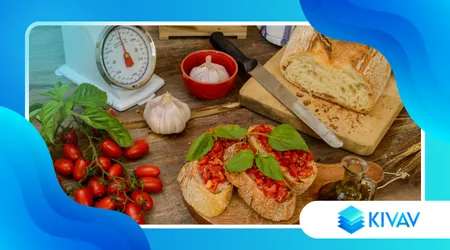
Why this combination is close to perfection (and where many go wrong)
The secret to this dish lies not in its complexity, but in the management of temperatures and textures. There's something deeply satisfying in the bite that combines the crispy crust, the rich creaminess of the stracciatella, and the sweet-sour kick of the tomato.
Too often, however, we see approximate versions around: soft bread, raw and cold tomatoes from the fridge, or stracciatella floating in whey.
This dish demands respect for the individual elements and for the principles of the Mediterranean diet. According to historical data, Ministry of Health, the integration of good fats like extra virgin olive oil is a pillar of cardiovascular well-being.
Furthermore, cooking tomatoes with a drizzle of oil isn't just a matter of taste. The prolonged heat makes lycopene much more bioavailable to our bodies.
Prepare the bruschetta with stracciatella, confit cherry tomatoes and fresh basil It thus becomes an intelligent way to combine nutrition and pure pleasure.
The ingredients: quality does not allow shortcuts
If the recipe has only a few ingredients, each one must be flawless. You can't hide a flaw behind a slew of spices.
Bread: a question of alveolation
Forget commercial or overly soft breads. You need Altamura bread or a homemade, naturally leavened loaf with a thick crust.
++ Seasonal Italian side dishes featuring local vegetables
The crumb must have deep alveoli, capable of trapping the tomato juices without turning into a soft sponge.
Stracciatella: freshness measured in millimeters
The stracciatella shouldn't be frozen, but fresh from the day before. It's the soft heart of the dish. If you notice too much whey, let it drain for a moment. The cream and fior di latte filaments should settle on the bread like a caress, not a flood.
Cherry tomatoes: choosing the variety
Cherry or Piccadilly tomatoes, the important thing is that they are firm and ripe to the right point.
Confit cooking isn't about preserving old tomatoes, but rather concentrating the sugars in the good ones, eliminating excess water and leaving only the essence of the flavor.
The Detailed Recipe: Time and Heat Management
Preparation requires a precise sequence. The most common mistake is impatience: cherry tomatoes need time to transform into little bombs of confit flavor.
Find out more: White Cilento aubergines with mushrooms: a little-known variation
Ingredients for 4 people:
- 4 large slices of homemade bread (about 2 cm thick)
- 300g of fresh Apulian stracciatella
- 250g cherry or Piccadilly tomatoes
- 1 bunch of fresh basil
- 2 cloves of garlic
- 1 teaspoon brown sugar
- Fresh thyme to taste.
- Extra virgin olive oil (preferably from Puglia)
- Salt and freshly ground black pepper
Procedure:
- The magic of confit: Preheat the oven to 130°C. Wash the cherry tomatoes, pat them dry, and cut them in half. Arrange them cut-side up on a baking sheet lined with parchment paper.
- Marinating in the pan: Sprinkle the two crushed garlic cloves (unpeeled), a few sprigs of fresh thyme, salt, pepper, and brown sugar over the cherry tomatoes. The brown sugar will help caramelize. Drizzle generously with extra virgin olive oil.
- Slow cooking: Bake for about 90 minutes. The cherry tomatoes should appear shriveled, almost wilted, but still juicy inside. Once ready, remove them from the oven and let them cool.
- Toasting the bread: Heat a cast iron griddle. Brush the bread slices with a thin layer of the tomato cooking oil (which will have absorbed the garlic and thyme flavors). Toast the bread for a couple of minutes on each side, until crisp and golden.
- The strategic assembly: Arrange the warm bread slices on a serving platter. Spread a generous layer of room-temperature stracciatella cheese on top. Arrange the warm confit tomatoes with their juices on top. Tear the fresh basil directly onto the bruschetta and serve immediately.
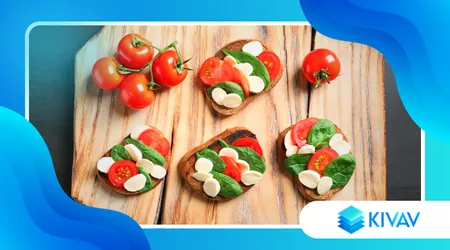
Nutritional profile: balance on the plate
Analyzing the impact of what we eat helps us enjoy it without feeling guilty.
A serving of two medium bruschettas offers a decidedly interesting and balanced macrobiotic profile.
++ Modern Citrus Risotto with Lemon and Fresh Basil
| Nutritional Component | Value per Serving | Royal Benefit |
| Energy | 320 kcal | Slow-release complex carbohydrates |
| Carbohydrates | 34 g | Energy support without glycemic spikes |
| Proteins | 11 g | Structural contribution from dairy products |
| Fats | 16 g | Beneficial monounsaturated fatty acids |
| Lycopene | 4.5 mg | Antioxidant cellular protection |
Using bread made from ancient grains or whole wheat increases the amount of dietary fiber, further lowering the glycemic index and improving the overall digestibility of the appetizer.
The Chef's Golden Rules (to Avoid Disasters)
Basil hates metal. Cutting it with a knife means it will blacken within minutes due to oxidation, destroying its essential oils. Always break it by hand just before serving.
Managing the whey is crucial. Stracciatella left too runny will turn the bread into an indigestible mush within three minutes. Strain it through a sieve while the tomatoes finish cooking.
Check the tomato's starting sweetness. If you're cooking in the height of summer, the brown sugar can be reduced to a minimum; if you're preparing the dish out of season, that extra pinch helps offset the greenhouse acidity.
Ideas for the future: bruschetta with stracciatella, confit cherry tomatoes, and fresh basil.
Working with the bruschetta with stracciatella, confit cherry tomatoes and fresh basil It means manipulating tradition intelligently.
It's a dish that never goes out of style because it leverages universal taste archetypes: crunchy, fatty, and acidic.
This appetizer demonstrates that great cuisine doesn't require unnecessary complications, but rather execution technique and respect for the earth's rhythms.
Next time you turn on the oven, dedicate an hour and a half to the cherry tomatoes; the result will be worth every minute of waiting.
To learn more about the evolution of consumption and the scientific study on the agri-food products of our tradition, you can consult the dedicated reports of the CREATE, the Italian point of reference for research in agriculture and food economics.

Frequently Asked Questions
Can I prepare confit cherry tomatoes the day before?
Yes, and they are often even better because the flavors have time to blend.
Store them in the refrigerator in a tightly closed glass container, covered with their oil. Just remember to take them out and let them cool before assembling your recipes. bruschetta with stracciatella, confit cherry tomatoes and fresh basil.
Which extra virgin olive oil pairs best?
The ideal choice is a light or medium fruity extra virgin olive oil, possibly from cultivars such as Ogliarola or Peranzana.
Oils that are too intense or too spicy would end up covering the lactic delicacy of the stracciatella.
Is there a valid alternative to stracciatella?
If you can't find it, you can buy a whole burrata and shred its creamy heart.
Alternatively, finely chop some very fresh buffalo mozzarella and mix it by hand with a spoonful of fresh liquid cream to recreate the right consistency.
How does gluten-free bread behave with this preparation?
It works very well, as long as you choose a type of bread with good air pockets and a crumb that isn't too rubbery.
Toast the slices a little more intensely to create a solid barrier against the moisture of the dressing.
++ Mediterranean Bruschetta ready in 5 minutes
++ Bruschetta with tomatoes and burrata
