
Sorrento PGI Lemons: How to Use Them in Cooking, Desserts, and Liqueurs
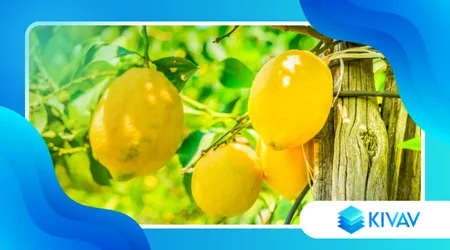
THE Sorrento PGI Lemons They are much more than a simple ingredient: they are a fragment of vertical history, suspended between the rocks of the coast and the blue of the Tyrrhenian Sea.
Announcements
Looking at the typical terraces, you immediately realize that those citrus groves are not there by chance, masked by the "pagliarelle" in a play of shadows that protects an extremely fragile treasure.
On this journey through the aromas of the Sorrento Peninsula, we'll explore what makes this fruit such an inimitable delicacy, how to intelligently incorporate it into your recipes, and how to avoid being fooled by industrial imitations.
Summary
- The identity of the Sorrento Oval between myth and territory.
- Cultivation techniques: the architecture of Sorrento gardens.
- The chemistry of essential oils in the peel.
- An authentic recipe: Gnocchi alla sorrentina “in bianco”.
- Technical table and guide to making an informed choice.
What is the Sorrento Lemon and why does it escape common definitions?
Calling the Sorrento Lemon a citrus fruit is an understatement; it's a geographical organism.
Technically known as the "Sorrento Oval," it stands out for its generous size and shape reminiscent of a perfect ellipse. Its thick, wrinkled skin is a reservoir of terpenes that explode at the slightest touch.
Announcements
The PGI certification is not a simple bureaucratic frill, but the defense of an ecosystem.
It is often confused with Sfusato Amalfitano, but Sorrento has a more austere character and an acidity of the juice that makes it technically superior in the preparation of bases for fine pastry making.
It is a subtle balance, the result of volcanic soils and salty breezes.
How to distinguish authenticity in a clone market
There's something frustrating about seeing generic lemons sold as Campanian delicacies.
The real one Sorrento Lemon PGI It can be recognized by the "clean" aroma: it shouldn't smell just of acid, but of lemon leaf and resin. If the peel appears too shiny, be wary.
The 2026 legislation further tightened labeling criteria, requiring full traceability from farm to point of sale.
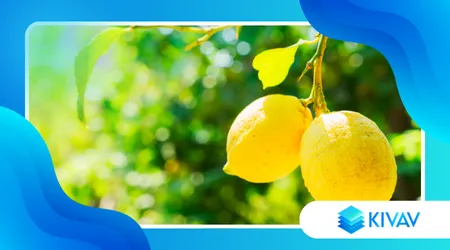
A key visual element is the stalk: if present, it must be fresh and green, a sign of manual harvesting that respects the integrity of the fruit.
++ Piennolo cherry tomatoes from Vesuvius
The peel, being edible and never treated with waxes, often presents small aesthetic imperfections that testify to its naturalness.
Gold in the peel: a sensory analysis
In the kitchen we often make the mistake of concentrating on the juice, forgetting that the soul of the Sorrento Lemon PGI resides in the first few millimeters of its surface.
The oil glands contain such a high concentration of limonene that it is almost balsamic.
When grating this peel, carefully avoid the pith, the spongy white part. Although rich in pectin, its bitterness is too strong for delicate preparations.
The zest is a catalyst of flavors: added to a risotto cream, it not only adds acidity, but an aromatic complexity that “lengthens” the persistence of the flavor on the palate.
For those who wish to learn more about European regulations on protected names, the portal of European Commission on Agriculture offers a detailed overview of quality systems.
The Recipe: Potato Gnocchi with a Sorrento Flavor
This is not the classic tomato version, but a “white” variant that reveals the quality of the citrus fruit.
Find out more: Caciocavallo Silano DOP: an ancient and versatile cheese
Ingredients:
- 500g of homemade potato gnocchi
- 2 Sorrento PGI Lemons (just the peel)
- 50g of mountain butter
- Fresh sage leaves
- Freshly grated Parmigiano Reggiano 24 months old
Procedure:
Melt the butter in a large pan with the sage, being careful not to burn it. Cook the gnocchi in lightly salted water.
Just before draining, add a ladle of the cooking water to the butter to create an emulsion. Toss the gnocchi in the butter and, once the heat is off, add a sprinkle of finely grated lemon zest.
++ Spaghetti alla San Gennaro: the traditional first course of popular cuisine.
The residual heat will release the essential oils without cooking them, keeping the freshness of the fruit intact.
Technical Comparison: Sorrento vs. Standard Production
| Parameter | Sorrento Oval PGI | Commercial Lemon |
| Juice yield | High (>30%) | Medium/Low |
| Treatments | Absent (edible peel) | Often waxed with fungicides |
| Aroma | Persistent, balsamic | Volatile, purely citric |
| Territory | Volcanic terraces | Intensive plains |
Beyond Limoncello: The Evolution of Taste
Limoncello remains the King, but modern mixology is rediscovering the Sorrento PGI Lemons as a base for oleo-saccharum and natural bitters.
The intensity of the peel allows for the extraction of aromas without excessively diluting the alcoholic components. Even in savory dishes, the use of salt-fermented lemon—a typically North African technique but applied to this fruit—is yielding surprising results in Italian Michelin-starred kitchens.
Using this product also means supporting heroic agriculture. Managing a citrus grove on a steep slope requires dedication that goes beyond profit; it's a form of cultural resistance against the food standardization that is flattening global flavors.
For an updated list of producers who operate in compliance with the specifications, consult the website Protection Consortium, where transparency meets tradition.
FAQ
Why do Sorrento lemons cost more?
The price reflects the high cost of labor required for the maintenance of the terraces and winter coverings, as well as the superior quality yield of the peel.
Can I use the juice for fish marinades?
Certainly. Thanks to its balanced acidity, the juice of the Sorrento PGI Lemons It denatures the fish proteins without “cooking” them too quickly, keeping the meat firm and fragrant.
How do you preserve them so they don't dry out?
Ideally, they should be stored in a cool, dark place, away from heat sources. If purchased with the leaves, they act as an indicator of freshness: as long as they're turgid, the fruit is at its peak hydration.
Can the peel be frozen?
Yes, it's a great trick. You can grate the zest and freeze it in small containers to always have it ready during the off-season months, although the fresh aroma remains unbeatable.
Is Limoncello made with other lemons the same?
Chemically, perhaps, but organoleptically, no. The density of the oils in Sorrento guarantees a natural cloudiness and a pungent aroma that ordinary lemons lack.
++ Lemon Spaghetti: A Recipe from the Amalfi Coast
