
Focaccia stuffed with escarole, olives and capers, a Mediterranean flavour
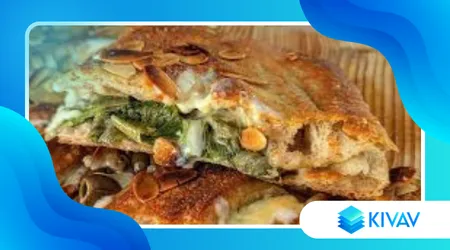
There focaccia stuffed with escarole It's not just a recipe, but a declaration of intent that separates those who eat out of necessity from those who do it for memory.
Announcements
There's something almost primal about the act of enclosing a bitter, wild vegetable in a shell of flour and water, a ritual that transforms humble ingredients into an architecture of flavors that challenges the most sterile gastronomic modernity.
Table of Contents
- The evolution of a southern classic
- The science of kneading: hydration and patience
- Curly Escarole: The Bitter Soul of the Mediterranean
- The balance of contrasts in the filling
- Technical data: nutrition and craftsmanship
- The definitive recipe for your home oven
What is the true origin of stuffed focaccia?
We often make the mistake of thinking of these leavened products as simple variations of pizza, but history tells us a more layered truth.
In the provinces of Naples and Bari, leftover cuisine has always had an aristocratic dignity: escarole, often underestimated, took center stage on lean days, when meat was a luxury or a religious prohibition.
This preparation was not born in starred restaurants, but in the communal ovens of the villages, where women brought their own trays to bake after the bread.
Announcements
There's an intellectual honesty in this dish that we try to replicate today with organic flours and sourdough starters, but the essence remains the same: the ability to ennoble the garden through the warmth of the wood.
The structure of the focaccia stuffed with escarole It must be courageous. It can't afford to be soft or, worse, soggy; it must offer a crispy resistance to the bite, revealing only at the last moment the moist and savory heart it jealously guards.
How to manage hydration for a professional result?
The secret that many amateur bakers overlook lies in time, not additives. A dough that matures slowly in the refrigerator isn't a whim of experts, but a biological necessity so that enzymes do the dirty work for our stomachs.
To obtain a gluten mesh that is both extensible and tenacious, it is essential not to rush into adding all the water at once.
Gradual hydration allows the flour to “understand” the liquid, creating a structure that will not collapse under the weight of the seasoning.
A mistake I often see is the use of industrial yeasts in large doses to speed up the process. This approach kills the grain's flavor.
Use a small amount of yeast, perhaps a pinch of sourdough starter, and let nature take its course for at least 24 hours. The resulting lightness isn't a matter of opinion, but a chemical consequence.
If you are looking for a technical reference on the quality of grains, the guidelines of the Italian Cuisine They offer a rigorous perspective on how the raw material influences the final result, far from the simplifications of quick tutorials.
Why does escarole require specific treatment?
Not all endive is created equal. Curly endive, with its tough leaves and pale heart, possesses a bitter note that is the true driving force of this dish.
If you overcook it, it becomes mush; if you leave it raw, it will ruin the dough by releasing its liquid.
The transition in the pan should be a quick encounter with extra virgin olive oil and a clove of garlic in its skin.
This is where the magic happens: the vegetables must wilt without losing their identity, becoming the perfect vehicle for the savory flavor of the capers and the carnality of the olives.
++ Cereal and nut bread for healthy breakfasts and energy-boosting snacks
Balance is everything. The addition of pine nuts or raisins isn't a baroque flourish, but a necessity to tame the bitterness and create that flavorful depth that makes every bite different from the last. It's a play of contrasts that defines the Mediterranean character.
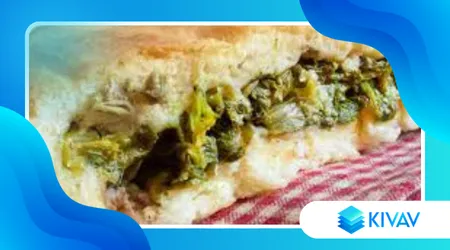
Technical analysis of the ingredients
In the following table, we analyze the nutritional impact of a portion of this focaccia, considering its artisanal production with top-quality ingredients available in 2026.
Find out more: Crispy Roman pinsa with hydrated dough and mixed flours
| Component | Value per 100g | Gastronomic Role |
| Energy | 245 kcal | Slow-release carbohydrate source |
| Fibers | 3.8 g | Essential for the digestion of the starchy part |
| Good Fats | 9.2 g | Oleic acid from high-quality EVO oil |
| Proteins | 6.5 g | Developed from grains with balanced strength |
| Salt | 0.4 g | Mainly provided by olives and capers |
The Recipe: Focaccia Stuffed with Escarole
For a result that lives up to your expectations, follow these steps without taking shortcuts. Precision here is synonymous with respect for those who will eat.
Ingredients for the dough
- 500g of type 0 flour (W280)
- 350ml of cold water
- 3g of fresh brewer's yeast
- 12g of whole sea salt
- 20ml extra virgin olive oil
++ Grandfather's Cup revisited with an artisanal twist: tradition and nostalgia
For the filling
- 2 heads of curly endive
- 80g of pitted Gaeta olives
- a spoonful of desalted capers
- 2 anchovies in oil (optional, but recommended)
- garlic, chilli pepper and EVO oil to taste.
Procedure
- The dough: Dissolve the yeast in the water and add it to the flour. Mix until you have a rough dough, then add the salt and oil. Knead until smooth. Let it rest for 2 hours at room temperature, then 24 hours in the refrigerator.
- The vegetables: Wash and chop the escarole. In a large pan, sauté the garlic and chili pepper, add the anchovies and let them melt. Add the escarole and cook over high heat for 10 minutes. Add the olives and capers at the last minute. Let cool completely in a sieve.
- Composition: Divide the dough into two parts (one slightly larger). Roll out the base in a greased baking pan. Spread the cold escarole evenly. Cover with the second disc of dough.
- Closure: Seal the edges well, creating a cord. Prick the surface and brush with an emulsion of water and oil.
- Cooking: Bake at 220°C for about 25-30 minutes, until the surface is golden brown and the base is crispy.
What are the mistakes that ruin the experience?
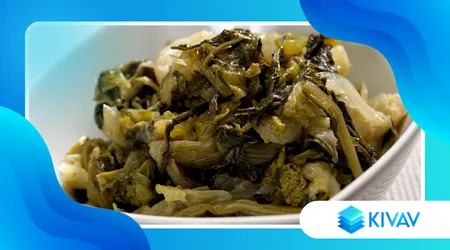
The number one enemy is the residual moisture from the dressing. If the escarole isn't well squeezed, the base of the focaccia will become soggy, losing that biscuity consistency that is the hallmark of this dish. focaccia stuffed with escarole made to perfection.
Another critical point is the temperature of the filling. Adding hot vegetables to raw dough instantly kills the rising process.
This is a gross error that compromises the alveolation and makes the final product heavy and difficult to digest.
Finally, don't be afraid of heat. People often tend to cook at too low a temperature for fear of burning the surface, but this dries out the inside excessively.
A firm oven and careful management of the valve (or a small door vent) ensure the perfect balance between softness and crispiness.
Experimenting with regional variations is the best way to honor this tradition; to learn more about the certifications of typical products, the website Ministry of Agriculture remains the most authoritative point of reference.
FAQ
Can I use whole wheat flour?
Yes, but increase the hydration of the 5-10%. Fiber absorbs more fluids and risks making the bite too dry if not corrected.
What can I use instead of anchovies?
If you're looking for a vegan version, use finely chopped sun-dried tomatoes to maintain that burst of saltiness and umami.
Why does my focaccia open up while baking?
You probably didn't prick the top enough. The steam inside must escape, otherwise it creates pressure that will crack the edges.
++ PUFF PASTRY FOCACCIA WITH OLIVES AND ROSEMARY
++ Complete guide, recipe, and secrets for perfect results
