
Natural Italian preservation techniques: in oil, vinegar, and brine
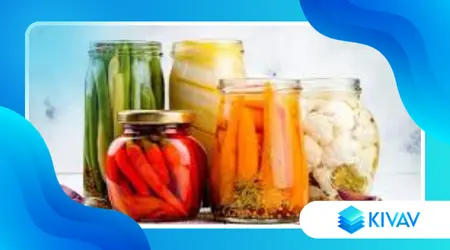
Italian-style natural conservation techniques Preserving the freshness of seasonal ingredients is an art that defines the gastronomic identity of our peninsula, combining ancient wisdom and food safety.
Announcements
Reading path
- The soul of home canning in 2026.
- In oil: beyond the barrier of oxidation.
- Pickled: the balance between acidity and crunchiness.
- Brine: the dance of salt and fermentation.
- Food safety: preventing the risk of botulism.
- Comparative guide to methodologies.
- Practical reflections for the pantry.
Why is the return to home-cooked food a political choice?
The Italian-style natural conservation techniques have become, in this glimpse of 2026, an act of gastronomic resistance.
It is no longer a question of the rural necessity of the past, but of a conscious luxury that rejects the standardization of industrial flavors and superfluous chemical additives.
Jarring a vegetable means stopping the seasonal clock. It's an investment in your health: choosing the quality of the oil, the source of the salt, and the level of acidity transforms food into a sensory archive of the region, protecting local biodiversity from food waste.
There's something deeply tactile and ritualistic about these gestures. Each jar holds a narrative that connects the earth to the table, respecting the cycles of nature.
Announcements
Possessing this skill allows you to transform a bountiful harvest into a gastronomic treasure capable of defying the winter months without losing vitality.
The secret of oil preservation: isolation and raw materials
Preserving food in oil is perhaps the most popular and, paradoxically, the most misunderstood technique. The concept is simple: the oil acts as a protective sealant, excluding oxygen that would allow mold and bacteria to thrive.
However, oil alone does not kill microorganisms; it simply creates a golden physical barrier.
Before being stored in glass jars, the vegetables require a mandatory soaking in a solution of water and vinegar.
This lowers the pH below the threshold of 4.6, an impassable chemical boundary for the Clostridium botulinum. Without this precaution, canning becomes a risk that no conscientious cook should take.
Choosing extra virgin olive oil isn't a whim. Quality polyunsaturated fats keep plant fibers firm, preventing vegetables from becoming mushy or cloying.
++ How to reduce salt and fat in traditional recipes without altering their identity
Once sealed, the products must remain completely immersed, eliminating any air bubbles that could trigger unwanted degradation processes.
Vinegar as a shield: not just preservation, but character
Vinegar represents the most ancient chemical defense in our cuisine. By using acetic acid to make the environment inhospitable to pathogens, this method guarantees a microbiological stability that few other natural ingredients can offer, especially if the starting acidity reaches 6%.
This technique doesn't just "save" the food from aging; it reshapes its flavor profile. The acidity imparts pungent notes that cleanse the palate, making vegetables the perfect accompaniment to complex or fatty dishes. The vinegar penetrates the heart of the vegetable, locking in its colors and keeping them vibrant.
For those seeking scientific certainties, the protocols of the Ministry of Health offer rigorous details on times and temperatures.
Following these proportions is not culinary bureaucracy, but the guarantee that every bite is as safe as it is delicious, protecting those who sit at our table.
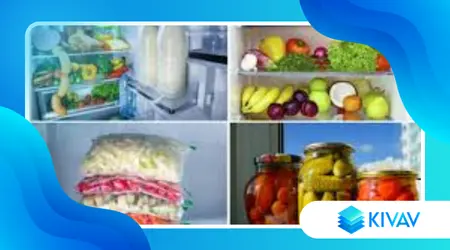
Brine: The Intelligence of Osmosis and Salt
Brine is a salt and water solution that works silently, using osmosis to extract internal moisture and replace it with mineral stability.
It is the technique of choice for olives and capers, where time is the main ingredient in the transformation process.
Salt creates a selective barrier: it blocks putrefaction bacteria and, in certain cases, paves the way for virtuous lactic fermentations.
This methodology impeccably preserves the cellular structure, making it ideal for those products that require slow maturation before revealing their full flavor potential.
Calibrating the salt concentration requires almost alchemical precision. Too much makes the food inedible; too little compromises its shelf life.
Find out more: How to Stabilize Whipped Cream for Italian Desserts That Don't Deflate
Often, the addition of thyme or peppercorns enriches the olfactory bouquet, transforming a simple storage technique into a work of high gastronomic perfumery.
Comparative analysis of methods
| Technique | Active Agent | Safety pH | Conservation | Ideal for |
| In oil | EVO oil | < 4.5 | 12-18 months | Eggplants, mushrooms |
| Pickle | Wine vinegar 6% | < 4.2 | 18-24 months | Onions, peppers |
| Brine | Sea Salt | Variable | 6-12 months | Olives, capers |
Sterilization and vacuum: where success is decided
Cleaning containers is the moment of truth. A less-than-perfectly sterile jar can ruin hours of work.
The glass should be boiled for twenty minutes and left to dry completely; residual moisture is, in fact, the best friend of the bacteria we want to combat.
Caps deserve a separate discussion: they need to be purchased new every year. The seals tend to crystallize, and an old cap will never guarantee the airtight seal needed to maintain a vacuum.
During pasteurization, the water must completely cover the jars, exceeding them by several centimeters for constant pressure.
++ Venetian-style sardines in saor: the lagoon's sweet and sour appetizer
After cooling, the "click" test is the final verdict. If the center of the lid is concave and doesn't move when pressed, the process has been successful. That small indentation in the metal is physical proof that the freshness has been properly captured.

The Value of Time in the Modern Pantry: Italian-Style Natural Preservation Techniques
Recovering these traditions is not a nostalgic return to the past, but a leap towards a more sustainable future.
In an age of rapid and often distracted consumption, dedicating an afternoon to making a preserve is an act of love towards oneself and the earth.
Every jar that rests in the dark of the cupboard is a piece of summer or autumn ready to awaken.
The satisfaction of offering a product crafted with attention to every detail is priceless, bringing flavors to the table that no retail chain can ever match in depth and authenticity.
For an even broader technical overview of food biochemistry, the institute's portal EFSA – European Food Safety Authority represents the highest authority for navigating regulations and scientific safety.
FAQ – Clarity for the consumer
How long should preserves mature?
The ideal waiting time is at least thirty days. This time allows the aromas to meld and the preservative to stabilize the vegetable's internal structure, ensuring optimal flavor balance.
Can the oil in the jar be reused?
Of course. That oil has become a precious aromatic extract. It's perfect for dressing salads, enhancing a pasta dish with garlic and oil, or adding a burst of flavor to a freshly baked focaccia.
What to do if the cork swells or there are bubbles?
If you notice any visual abnormalities, swelling, or suspicious odors upon opening, the contents should be discarded. Safety is uncompromising, and these signs clearly indicate that something has gone wrong in the sterilization process.
++ Techniques and methods for preserving food
