
Light fermentations in modern Italian cuisine: vegetables, bread, and preserves

The light fermentations in modern Italian cuisine Today they represent a gastronomic frontier that combines the wisdom of rural traditions with the most advanced scientific transformation techniques.
Announcements
This return to origins, far from massive industrial processes, is redefining the concepts of freshness and preservation in the contemporary culinary landscape of the Peninsula.
Chefs and enthusiasts are rediscovering how controlling lactic acid bacteria can enhance the aromatic profile of vegetables, leavened products, and artisanal preserves.
Contents summary
- The evolution of fermentation in Italy.
- Why choose lactic fermentation for vegetables.
- The science of bread: sourdough and long times.
- Modern canning: safety and technical innovation.
- Comparison table of fermentation times.
- FAQs and practical conclusions for the home kitchen.
Why have light fermentations become a health trend in modern Italian cuisine?
The current interest in the light fermentations in modern Italian cuisine It arises from the awareness that intestinal well-being directly influences the overall health of the human immune system.
Natural fermentation processes increase the bioavailability of nutrients, making the vitamins and minerals in plants much easier to absorb.
Announcements
Additionally, fermentation acts as a natural pre-digester, breaking down complex antinutrients that often make traditionally raw or cooked preparations heavy.
This approach is not just about flavor, but responds to a growing demand for conscious and functional nutrition.
The integration of natural probiotics through daily food is replacing the use of synthetic supplements, bringing attention back to the intrinsic quality of Italian agricultural raw materials.
Modern Italian cuisine embraces this philosophy with extreme naturalness and technical rigor.
How to ferment Italian vegetables using the dry brine method?
The lactic fermentation process for local vegetables usually begins with the extraction of cellular water through the addition of high-quality whole sea salt.
The light fermentations in modern Italian cuisine favor salt concentrations between 2% and 3% of the total weight of the vegetable.
This technique, applied to seasonal cabbage, carrots, or fennel, allows for the preservation of crunch while developing a complex and refreshing acidity.
It is essential to keep vegetables completely submerged in their own liquid to prevent oxidation and the development of unwanted mold.
Controlling the ambient temperature, ideally between 18°C and 22°C, ensures that lactic acid bacteria prevail over other microorganisms present in the environment.
Find out more: Zero-waste Italian cuisine
After a few days, the processed vegetables acquire deep umami notes, perfect for accompanying meat or grain dishes.
What are the secrets of naturally fermented bread today?
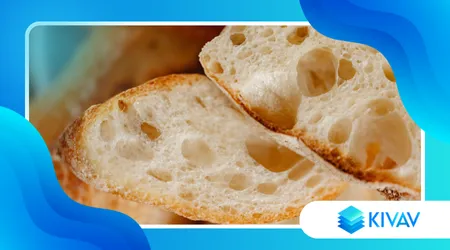
In the bakery sector, the light fermentations in modern Italian cuisine they translate into the exclusive use of sourdough starter managed with frequent and precise refreshments.
This management allows you to control volatile acidity, preventing the bread from being excessively sour or difficult to digest.
The use of stone-ground ancient grain flours guarantees a base rich in enzymes necessary to feed the yeast microflora.
Long maturation times, often exceeding 24 hours in bulk, transform the gluten proteins into simpler structures.
To learn more about the chemistry of dough, you can consult the technical resources offered by’ International Institute of Coffee Tasters, which studies sensory analyses that can also be applied to fermented products. Understanding the dynamics of gases and organic acids is essential for achieving open air and a fragrant crust.
When does preservation become art in modern canning?
Preserving is no longer just a way to avoid waste, but an opportunity to create gourmet ingredients with a unique and distinctive character.
The light fermentations in modern Italian cuisine Applied to preserves, they reduce the need for harsh vinegars or excessive amounts of refined sugar.
Use techniques such as the lacto-fermenting for tomatoes or peppers it allows you to keep the original colors of the product alive, adding depth of flavor.
Food safety remains the top priority, requiring constant monitoring of pH, which must fall below the critical threshold of 4.6.
The adoption of vessels with one-way vents revolutionized home brewing, allowing carbon dioxide to escape without letting oxygen in.
Interesting: Italian-style baking in foil
This small technological advancement guarantees professional results even for those who are trying these age-old techniques for the first time.
Technical data on home fermentation
| Product | Recommended Method | Salt (%) | Time (Days) | Optimal Temperature |
| Crispy Vegetables | Dry brine | 2.5% | 7 – 14 | 20°C |
| Rye bread | Mother Yeast | 2.0% | 1 – 2 | 24°C |
| Lactic Gardener | Liquid brine | 3.0% | 10 – 21 | 18°C |
| Cherry Tomatoes | Whole in brine | 2.0% | 5 – 7 | 22°C |
How to integrate fermented foods into a typical recipe: Risotto with fermented foods
Integrate the light fermentations in modern Italian cuisine It means knowing how to measure the naturally produced acidity to balance the fattiness of traditional dishes like creamed risotto.
An excellent example is using the fermentation liquid from vegetables as part of the final acid component.
Instead of deglazing exclusively with white wine, adding a small dose of fermented brine brings an aromatic complexity that immediately stimulates the taste buds.
The contrast between the creaminess of the rice and the pungent note of the fermented rice creates a perfect balance.
Garnishing the dish with small pearls of fermented carrots adds a crunchy texture that breaks up the monotony of the cooked grain, elevating the overall sensory experience.
++ Bread with spelt flour and acacia honey
This practical application demonstrates how innovation can coexist harmoniously with the classics of our gastronomy.

What are the risks and how can we ensure food safety? Light fermentations in modern Italian cuisine
Approaching the light fermentations in modern Italian cuisine requires a clear understanding of hygiene standards to avoid dangerous bacterial contamination during the process.
Meticulous cleaning of every tool and container is the essential first step towards safe, superior-quality production.
Using chlorine-free water is essential, as chlorine can inhibit the growth of beneficial microorganisms necessary for fermentation.
Accurately measuring the weight of salt relative to the plant mass prevents the development of unwanted pathogens.
Visual and olfactory cues are excellent indicators: a clean, sour smell indicates success, while foul-smelling odors suggest the batch should be discarded immediately.
The formation of white surface foam is often normal and can be removed without compromising the safety of the preparation.
Conclusion: Light fermentations in modern Italian cuisine
The light fermentations in modern Italian cuisine they do not represent a passing fad, but a conscious return to intelligent management of food resources and health.
This practice allows us to rediscover forgotten flavors, reducing waste and improving the nutritional quality of what we bring to the table every day.
Experimenting with seasonal vegetables, cultivating a sourdough starter, or creating innovative preserves requires patience, but the gastronomic results are more than worth the wait.
We invite every enthusiast to begin this exploratory journey with rigor and scientific curiosity to transform their usual cuisine.
For further information on European regulations regarding food safety and processing techniques, please visit the official website of the European Food Safety Authority (EFSA), an authoritative source for every operator in the sector.
Frequently Asked Questions
What exactly is light fermentation?
It refers to short processes that develop delicate aromas without reaching extreme acidity, ideal for the balanced taste of contemporary Mediterranean cuisine.
Can I ferment any type of vegetable?
Almost any vegetable will work, but firmer vegetables like cabbage, roots, and peppers offer the best results in terms of texture and flavor.
Is salt required in the process?
Yes, salt selects beneficial bacteria and inhibits harmful ones, as well as extracting the plant juices needed to create the ideal anaerobic environment.
How long do fermented vegetables keep?
Once transferred to the refrigerator after active fermentation, they can last for many months, continuing to mature very slowly in terms of their flavour profile.
Is sourdough starter difficult to manage?
It requires constant refreshing, but once stabilized it becomes a formidable ally for producing excellent artisan bread and baked goods.
++ Homemade Fermented Vegetables
