
Roman-style puntarelle salad: crunchy and flavorful in the Lazio tradition.
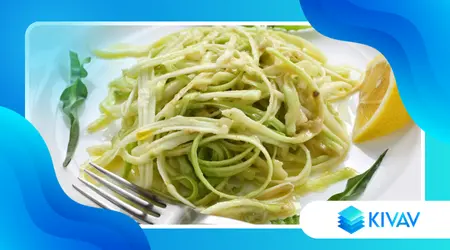
THE'Roman-style puntarelle salad It represents the essence of Lazio cuisine, combining the vegetal freshness of Catalogna chicory sprouts with the bold flavor of salted anchovies.
Announcements
In this article we will explore the history, the cutting technique and the secrets to obtaining that typical crunchiness that makes this side dish a timeless gastronomic icon.
Summary
- What is Roman-style puntarelle salad?
- What are the nutritional properties of Catalogna chicory?
- How to clean and cut puntarelle perfectly?
- What is the secret of the traditional Lazio seasoning?
- Table: Nutritional values and preparation times.
- FAQ: Frequently asked questions about preservation and variations.
What is Roman-style puntarelle salad?
THE'Roman-style puntarelle salad It is a humble dish born from the need to enhance the internal shoots of the Catalogna chicory, typically available between November and April.
This botanical variety, known as Cichorium intybus, produces firm, compact hearts which, when eaten raw, offer a harmonious contrast between the bitter note and the savoury seasoning.
Tradition dictates that the sprouts be cut into thin fillets, immediately immersing them in ice water to promote the classic curling that enhances their consistency.
Announcements
Historically, this side dish accompanied the fatty meats of Roman cuisine, acting as a degreasing element thanks to the acidity of the vinegar and the intrinsic digestive properties of the chicory itself.
Today, this specialty has transcended regional borders, becoming a symbol of Made in Italy excellence, sought after by gourmets who appreciate seasonality and absolute freshness.
What are the nutritional properties of this plant?
Consume regularly’Roman-style puntarelle salad It is not only a pleasure for the palate, but it provides significant benefits to the digestive system and liver health.
Catalogna chicory is rich in inulin, a prebiotic fiber that promotes healthy intestinal flora, improving nutrient absorption and regulating natural transit.
The calorie intake is extremely low, making this dish ideal for those following low-calorie diets, while still ensuring a high sense of satiety thanks to the volume of fiber.
Find out more: Sweet and Sour Sicilian Caponata
The abundance of vitamins A and C, along with minerals such as potassium and calcium, transforms every bite into a concentrate of natural antioxidants essential for the immune system.
The addition of anchovies and extra virgin olive oil introduces omega-3 fatty acids and monounsaturated fats, creating a balanced nutritional profile between plant-based micronutrients and high-quality lipids.
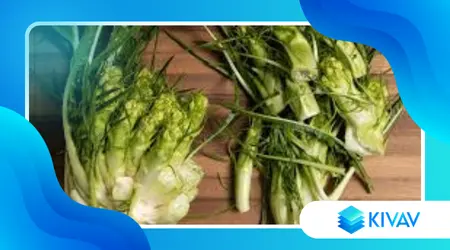
How to clean and cut puntarelle perfectly?
The preparation of the’Roman-style puntarelle salad It requires patience and a precise manual technique, essential to obtain the curled shape typical of the classic Roman presentation.
Start by separating the individual shoots from the main head, removing the tougher, more fibrous outer leaves, which can then be blanched and sautéed in a pan with garlic.
Use a sharp knife to slice each sprout lengthwise into very thin strips, or use a special puntarelle cutter, a traditional tool made of a mesh of steel wire.
Interesting: Green bean salad with parmesan shavings and lemon
The crucial step is to immerse the fillets in a large bowl filled with cold water and ice cubes for at least an hour, activating the necessary thermal shock.
This process allows the vegetable fiber to curve and become extremely crunchy, eliminating some of the bitter latex and making the vegetable more pleasant and easier to chew.
What's the secret to Lazio's traditional dressing? Roman-style puntarelle salad.
The seasoning for the’Roman-style puntarelle salad It is not a simple vinaigrette, but a dense and fragrant emulsion prepared rigorously in a mortar to extract all the aromas.
You need to crush a clove of garlic with the core removed together with high-quality anchovy fillets, gradually adding extra virgin olive oil until you obtain a smooth and velvety cream.
White wine vinegar, or preferably an aged red wine vinegar, adds the necessary acidic note to balance the intensity of the fish and the natural bitterness of the vegetable.
It's essential to season the chicory curls just a few minutes before serving, to prevent the acidity of the vinegar from prematurely wiping the crunchy texture of the fresh sprouts.
For further information on the botanical varieties and certifications of Lazio chicory, you can consult the official portal of the’ ARSIAL – Regional Agency for Agricultural Development and Innovation of Lazio, a point of reference for typical products.
Table: Technical and nutritional data (per 100g)
| Parameter | Estimated Value | Notes |
| Calories | 45 kcal | Includes standard seasoning |
| Fibers | 3.2 g | High satiating power |
| Potassium | 380 mg | Excellent for muscle recovery |
| Soaking time | 60 – 120 min | Necessary for curling |
| Seasonality | Nov – Apr | Period of maximum quality |
Why choose the highest quality ingredients?
The success of the’Roman-style puntarelle salad It depends exclusively on the raw materials, since the simplicity of the recipe does not allow for the masking of any ingredients of poor or dubious quality.
Extra virgin olive oil should preferably be a Lazio variety, such as Itrana or Canino, characterized by herbaceous notes that pair divinely with the freshness of the Catalan olives.
The anchovies must be plump and well desalted, as they represent the savory soul of the dish and define the rustic yet refined character of this typical gastronomic preparation.
++ Cervia Salt
Garlic should never overpower the other flavors; using a mortar and pestle allows it to be evenly distributed without leaving large chunks that would be distracting when tasting the dish.
Choosing locally grown vegetables ensures that the sprouts are plump and full of water, an essential condition for the curling process to occur naturally and beautifully.
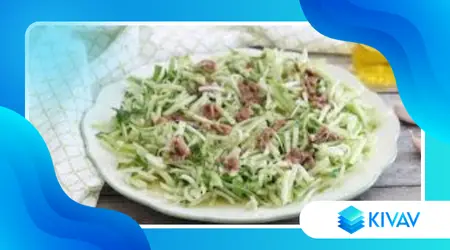
the perfect recipe to prepare the’Roman-style puntarelle salad following the authentic tradition of Lazio.
Ingredients: 500g of puntarelle, 4 anchovies, 1 clove of garlic, extra virgin olive oil, white wine vinegar, salt, pepper.
ProcedureCut the chicory into very thin strips and soak them in ice water for an hour until they curl. Meanwhile, pound the garlic and anchovies in a mortar until they form a paste.
Emulsify with oil and generous amounts of vinegar. Drain the vegetables well, pat dry, and toss with the resulting sauce. Toss thoroughly and serve immediately to maintain maximum crunchiness.
Roman-style puntarelle salad
THE'Roman-style puntarelle salad It's much more than a simple side dish; it's a celebration of Lazio's biodiversity and the artisanal mastery of plant-based ingredients.
Bringing this dish to the table means honoring a centuries-old tradition that focuses on the purity of flavors, offering a sensory experience made of crunchy sounds and unforgettable taste contrasts.
Whether served as an appetizer or as an accompaniment to a rich second course, its versatility makes it the undisputed star of Roman tables throughout the winter season.
We invite you to experiment with the hand-slicing technique to rediscover the pleasure of slow cooking, where the time spent preparing ingredients translates into excellence.
To discover other authentic recipes and advanced techniques of Italian cuisine, visit the website of Red Shrimp, international authority in food and wine criticism and culture.
Frequently Asked Questions
Can I prepare puntarelle a day in advance?
You can clean and cut the puntarelle in advance, storing them in cold water in the refrigerator, but the seasoning must be added only when ready to serve.
What can I use instead of anchovies for a vegan version?
To maintain the flavor in the’Roman-style puntarelle salad If you don't use fish, you can replace the anchovies with desalted and finely chopped Salina capers or miso paste.
Why don't my puntarelle curl up?
Curling depends on the thermal shock and the thinness of the cut; if the water isn't cold enough or the strips are too thick, the fiber won't curl properly.
Which vinegar is best for the original recipe?
Tradition suggests white wine vinegar, but many Roman chefs prefer a good-quality red wine vinegar to give a deeper color and aromatic note.
++ A crunchy and flavorful side dish
++ Puntarelle, Lazio's treasure with a bitter aftertaste
